
A Guide to Leadless Pacemakers for Patients
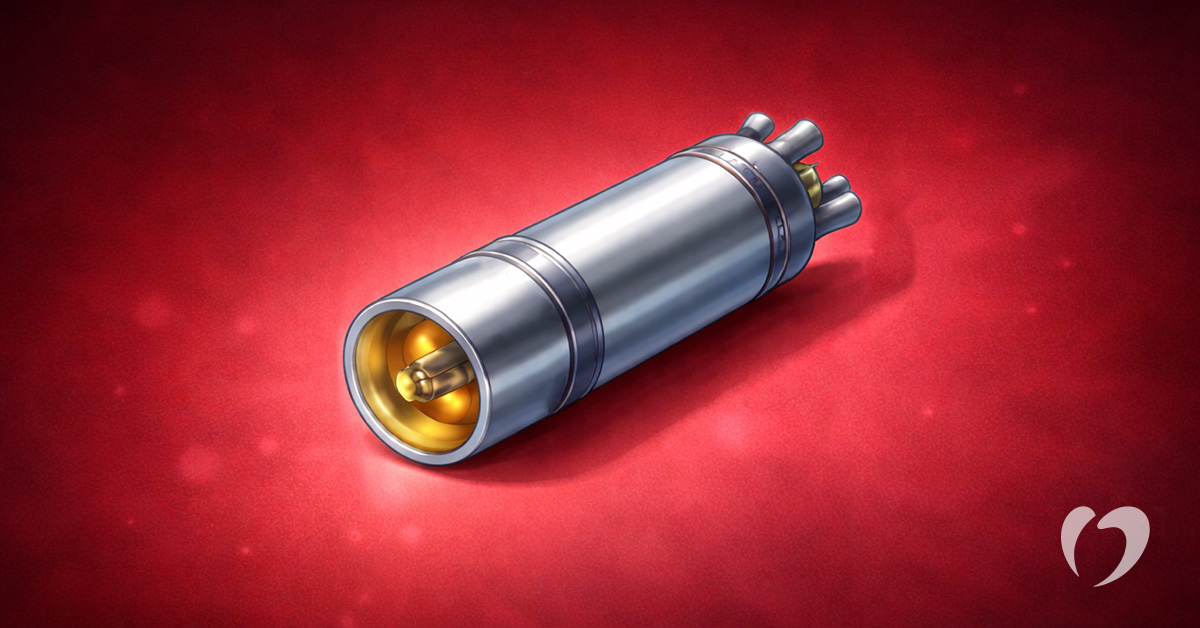
Pacemakers are medical devices that help regulate a person’s heart rhythm when the heart beats too slowly. In traditional pacemakers, a small object called a pulse generator is placed under the skin in a “chest pocket” below the collarbone. Thin wires, which are called leads, are attached to the inside wall of the heart and carry the pulse signal from the pulse generator to the heart.
Thanks to advances in pacemaker technology, a smaller, less-invasive option is available to some patients. A leadless pacemaker is a self-contained device placed directly into the heart that does not require traditional leads or a “pocket” insertion.
What is a leadless pacemaker, and what makes it different?
A leadless pacemaker is tiny — about the size of a large vitamin capsule — and is most often placed inside the right ventricle, the heart’s main pumping chamber. Instead of relying on leads to communicate the pulse, the device is completely self-contained. It attaches directly to the heart tissue and delivers gentle electrical pulses that regulate the heart’s rhythm.
Physicians implant leadless pacemakers through a vein in the leg using a minimally invasive catheter procedure. There is no chest incision, no surgical pocket, no visible device under the skin, and no leads.
Leadless devices only provide single-chamber support. Traditional pacemakers remain necessary for individuals who need pacing in more than one chamber of the heart.
Benefits of a leadless pacemaker
A leadless pacemaker may be considered when a patient needs pacing support and would benefit from avoiding leads or a chest pocket. Leadless pacemakers are not the right choice for everyone, but they offer meaningful advantages for eligible patients.
Benefits may include:
- Lower infection risk because there is no chest incision or pocket
- No lead-related complications, such as dislodgement or vein obstruction
- Fewer activity restrictions after recovery
- A smaller device with no visible outline under the skin
- A minimally invasive implantation procedure
- Suitable for patients with limited vein access, where leads would be difficult to place
Research shows strong success with leadless pacemaker procedures, as well as reduced pocket and lead-related complications compared to traditional pacemakers.
Who is a good candidate for a leadless pacemaker?
While leadless pacemakers offer unique benefits, they are best suited for a specific group of patients. Your physician will consider your heart rhythm condition, overall health, prior procedures, and long-term pacing needs when recommending the best option.
Patients who may be candidates include:
- Individuals with slow heart rhythms that can be managed with single-chamber pacing
- Patients who have had prior lead complications or pocket infections
- People with limited vein access that makes lead placement difficult
- Individuals who prefer a smaller, self-contained device
Patients who may not be candidates include:
- Those who require pacing in more than one chamber of the heart
- Individuals who rely on cardiac resynchronization therapy (CRT)
- Patients with certain structural heart conditions that affect implantation
- Individuals whose anatomy or medical condition does not allow safe catheter placement
Your physician may recommend additional testing, such as an electrocardiogram, echocardiogram, or rhythm monitoring to determine what type of support your heart requires.
Personalized heart rhythm care at the Oklahoma Heart Hospital
The Heart Rhythm Institute at the Oklahoma Heart Hospital provides advanced diagnostic and treatment options for patients with heart rhythm disorders. Our physicians specialize in the full spectrum of pacing therapies, including leadless pacemakers, traditional pacemakers, and other rhythm management devices.
If you have questions about your heart rhythm or would like to explore whether a leadless pacemaker may be appropriate for you, our team is here to help you understand your options and guide you toward the best care for your health. Contact us today to schedule your appointment.