
Alcohol and Heart Rhythm Disorders: What Patients Should Know
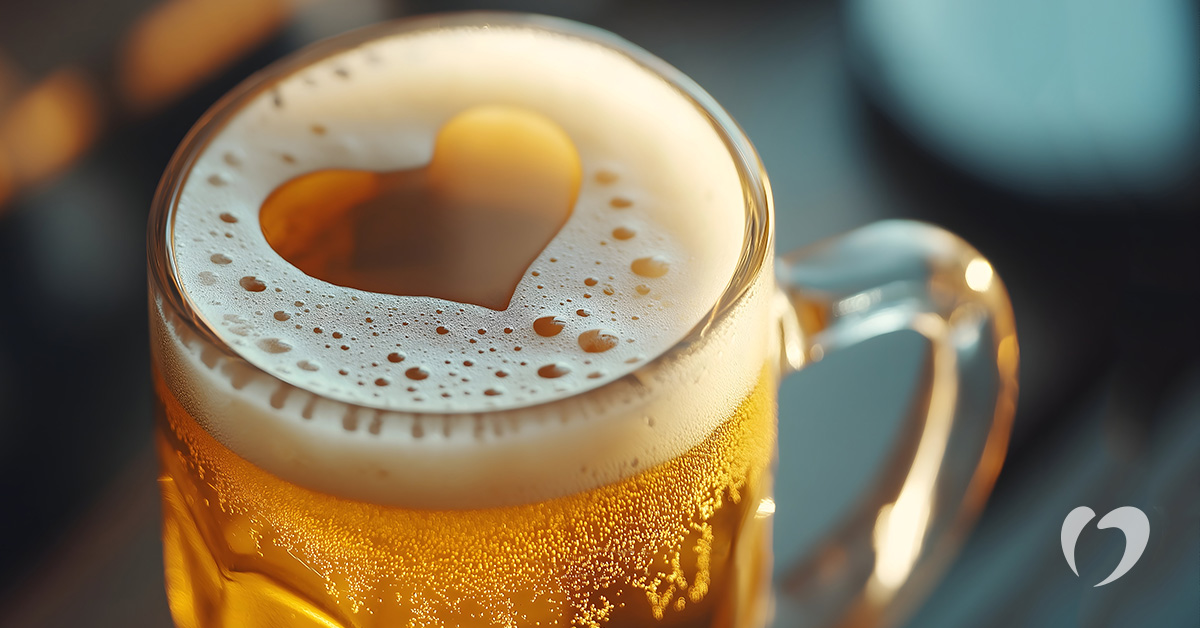
Many people enjoy an occasional alcoholic beverage without giving much thought to how it affects their heart. For some individuals, however, alcohol can affect the heart’s electrical system and increase the likelihood of experiencing an irregular heart rhythm or triggering episodes in people who already have an arrhythmia.
Research has consistently shown a connection between alcohol consumption and atrial fibrillation (AFib), the most common type of heart rhythm disorder. Although alcohol does not trigger AFib in every person, understanding that relationship can help patients recognize potential triggers and make informed decisions about their heart health.
How alcohol affects the heart’s electrical system
Alcohol can influence the heart in several ways that may increase the risk of an irregular heartbeat. It can interfere with the electrical signals that coordinate each heartbeat, contribute to dehydration, disrupt healthy sleep, and affect the body’s electrolyte balance. Alcohol may also raise blood pressure, another well-established risk factor for atrial fibrillation.
These effects do not necessarily cause heart rhythm problems in every person, but they can increase the likelihood of an arrhythmia or trigger episodes in people who are already susceptible.
Holiday heart syndrome
For decades, physicians have recognized a pattern of patients developing atrial fibrillation after periods of heavy alcohol consumption, particularly around holidays, celebrations, and weekends. This phenomenon is commonly known as holiday heart syndrome (HHS).
Holiday heart syndrome describes an irregular heartbeat that occurs after binge drinking, even in people without a history of heart disease. Although some episodes can resolve on their own, others require medical treatment. An episode of AFib should never be ignored simply because it followed a celebration or special occasion.
Understanding your personal risk
There is no universal answer to how much alcohol is safe for every person with a heart rhythm disorder. Some individuals may notice symptoms after only one or two drinks, while others may not experience any noticeable effects. Research suggests that even moderate alcohol consumption can increase the likelihood of AFib episodes in some patients.
If you have been diagnosed with AFib or another heart rhythm disorder, it may be helpful to pay attention to whether your symptoms occur after drinking alcohol. Recognizing patterns can provide valuable information to discuss with your healthcare provider when making decisions about treatment and lifestyle modifications.
When to talk to your provider
If you experience heart palpitations, a racing heartbeat, dizziness, shortness of breath, or episodes of AFib after drinking alcohol, talk with your healthcare provider. These symptoms may indicate that alcohol is acting as a trigger or that another underlying heart condition needs further evaluation.
Your provider can help determine whether reducing or avoiding alcohol may benefit your heart rhythm and recommend a treatment plan based on your symptoms, medical history, and overall cardiovascular health.
If you have questions about atrial fibrillation or other heart rhythm disorders, the specialists at the Heart Rhythm Institute at Oklahoma Heart Hospital can help you better understand your condition and develop a treatment plan tailored to your needs.
Contact us today to learn more or schedule an appointment.