

Using Stents to Treat Chest Pain
Stents are a life-saving procedure for heart attack patients and also have significant benefit for many patients with chest pain.
Read More
What is Sinus Tachycardia?
Sinus tachycardia is a fast but steady heart rate of 100 beats per minute or more at rest. Most cases do not require treatment, but it can signal underlying medical conditions.
Read More
The difference between blood pressure and heart rate
While often measured at the same time, blood pressure and heart rate are two distinct measurements of overall heart health. Learn more about the difference between blood pressure and heart rate.
Read More
What is the vagus nerve?
The vagus nerve extends from the brainstorm to the abdomen and controls a range of involuntary processes in the body, including heart rhythm, breathing, and digestion.
Read More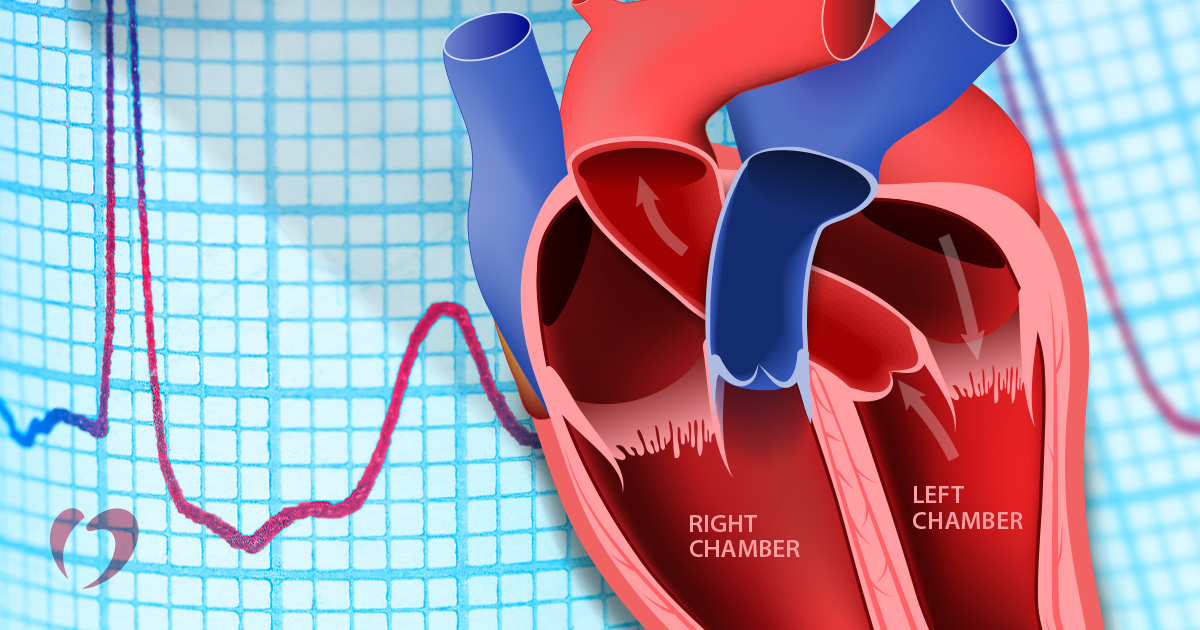
Heart block: symptoms, diagnosis, and treatment
Heart block is the disruption of electrical signals between the upper and lower chambers of the heart. Symptoms can include dizziness, fainting, or fatigue.
Read More
What is pericarditis and how is it treated?
Pericarditis is inflammation of the sac surrounding the heart, which can cause sharp, sudden chest pain that may be confused with a heart attack.
Read More
What is a lead extraction?
When infection or mechanical failure occurs with an implantable cardiac device, lead extraction may be necessary. Learn more about this specialized procedure offered at Oklahoma Heart Hospital South.
Read More
What is a stress test?
A stress test can help doctors diagnosis and treat a range of heart problems. Learn more about different kinds of stress tests.
Read More
Cardiomyopathy: symptoms, diagnosis, and treatment
Oklahoma Heart Hospital announces new MRI clinic for patients with pacemakers and defibrillators
Oklahoma Heart Hospital’s MRI Device Clinic makes MRIs possible for many pacemaker and defibrillator patients in central Oklahoma.
Read More
Echocardiogram: diagnosing and monitoring heart conditions through ultrasound
Ultrasounds of the heart can provide a significant amount of information regarding the heart’s overall function in a short amount of time.
Read More
An Overview of Carotid Artery Disease
Carotid artery disease, when the arteries narrow or become blocked, is a leading cause of stroke. Learn more about risk factors and treatment.
Read More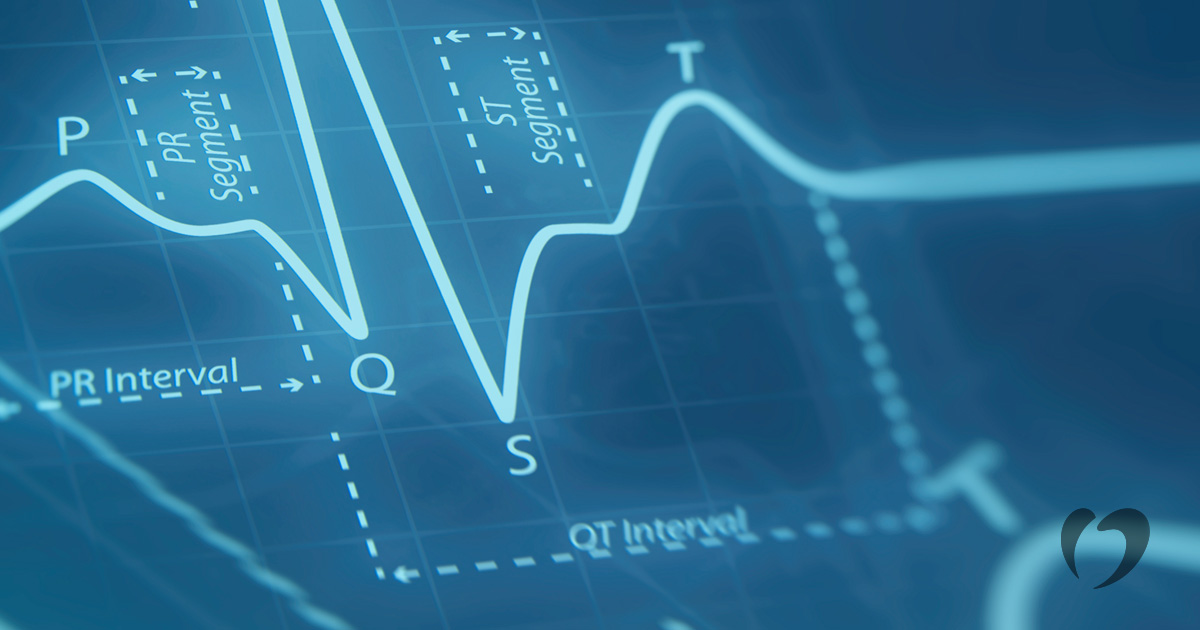
Diagnosis and Treatment of Long QT Syndrome
Long QT syndrome affects about 1 in 2500 people in the US and can cause sudden cardiac death if left untreated. Learn more about symptoms, diagnosis, and treatment.
Read More
Stroke Risk and Prevention
Some risk factors for stroke include age, high blood pressure, diabetes, and smoking. Learn more about how to reduce the risk of stroke.
Read More
Symptoms and Treatment of Stroke
Stroke is the second leading cause of death worldwide. Learn more about causes, symptoms, and treatment of stroke.
Read More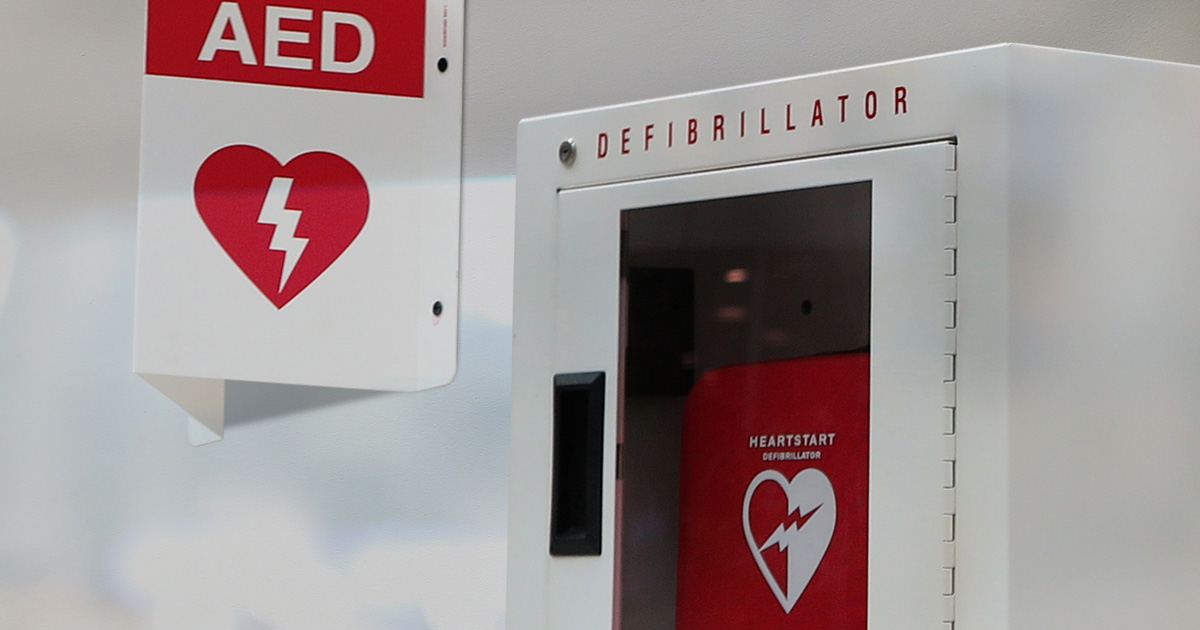
Automatic External Defibrillators (AED) in Public Spaces
What is an automatic external defibrillator, or AED, and how does it help increase the chance of survival for people with sudden cardiac arrest?
Read More
Bystander CPR: Improving the Chance of Survival
When someone’s heart stops and they collapse, bystanders may be unsure of how to help. Oklahoma Heart Hospital offers a free bystander CPR class that is open to the public.
Read More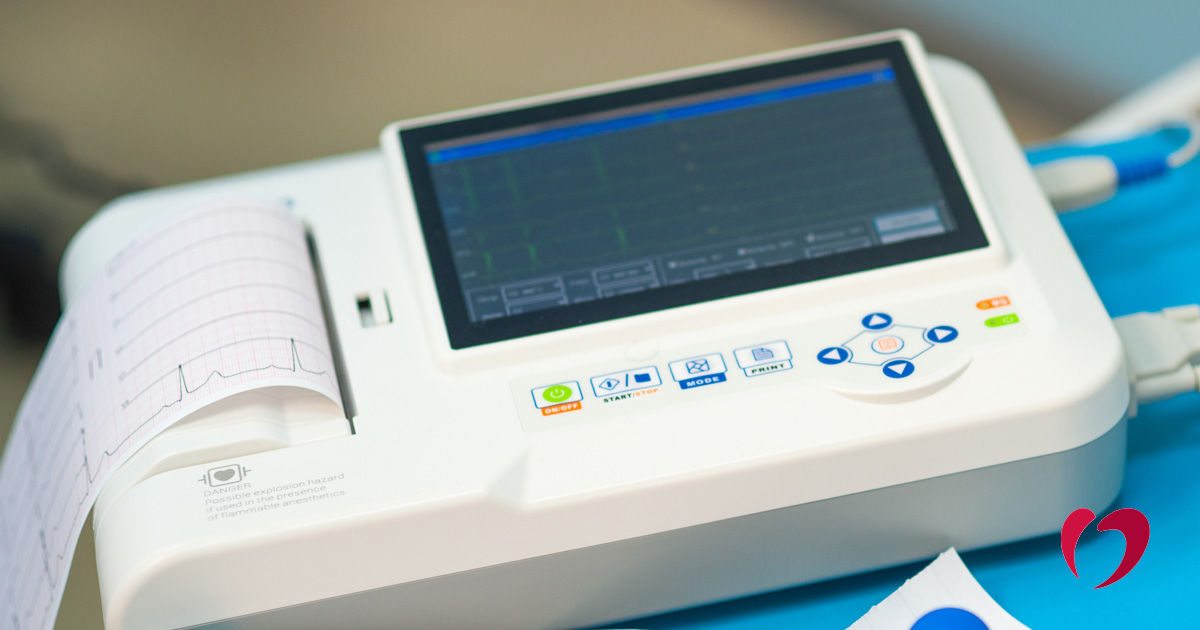
What is an Electrocardiogram (ECG)?
Electrocardiograms (ECGs) are a common and quick diagnostic tool that provides a full view of what’s happening in the electrical system of the heart.
Read More
Supraventricular Tachycardia – Arrhythmias in the Upper Chamber of the Heart
Supraventricular tachycardia, or SVT, includes multiple heart rhythm issues that originate in the top chamber of the heart. Learn more about specific SVTs and how Oklahoma Heart Hospital physicians diagnose and treat them.
Read More