

Understanding Statins: Managing Cholesterol With Medication
Statins are a group of drugs that block the liver enzyme your body uses to produce cholesterol. They’re typically prescribed along with diet and lifestyle changes to help reduce high LDL cholesterol.
Read More
The Risks of Untreated Atrial Fibrillation
AFib is a serious heart rhythm issue that can lead to many other health conditions if left untreated. Learn more about the risks associated with AFib.
Read More
Understanding Implantable Loop Recorders
An implantable loop recorder is a device that can record information about heart rhythms for 15 to 18 months. It’s typically used when other tests aren’t unable to identify an intermittent heart rhythm issue.
Read MoreCommon Types of Deep Vein Disease
Deep veins are responsible for carrying 90% of the blood to your body. Deep vein disease like deep vein thrombosis (DVT), May-Thurner syndrome, or chronic venous insufficiency can become serious and potentially life threatening.
Read More
What To Expect From a Heart Valve Replacement
A heart valve replacement used to require open heart surgery, but newer minimally invasive techniques, such as robotic surgery and transcatheter aortic valve replacement, allow for shorter surgery time and quicker recovery.
Read More
What is a Holter Monitor?
A Holter monitor is a wearable ECG device that can monitor the electrical activity of the heart over several days, and it’s an important diagnostic tool for identifying heart rhythm issues.
Read More
Carotid Endarterectomy to Remove Plaque
A carotid endarterectomy is a surgical procedure to remove plaque buildup that is blocking the carotid artery.
Read More
OHH Receives Highest CMS Rating Again
Oklahoma Heart Hospital has once again received a five-star rating for both the North and South hospitals from the Centers for Medicare and Medicaid Services (CMS) Hospital Compare. Fewer than eight percent of hospitals receive the top rating of five stars from CMS, and OHH is proud of the hard work and dedication demonstrated to […]
Read More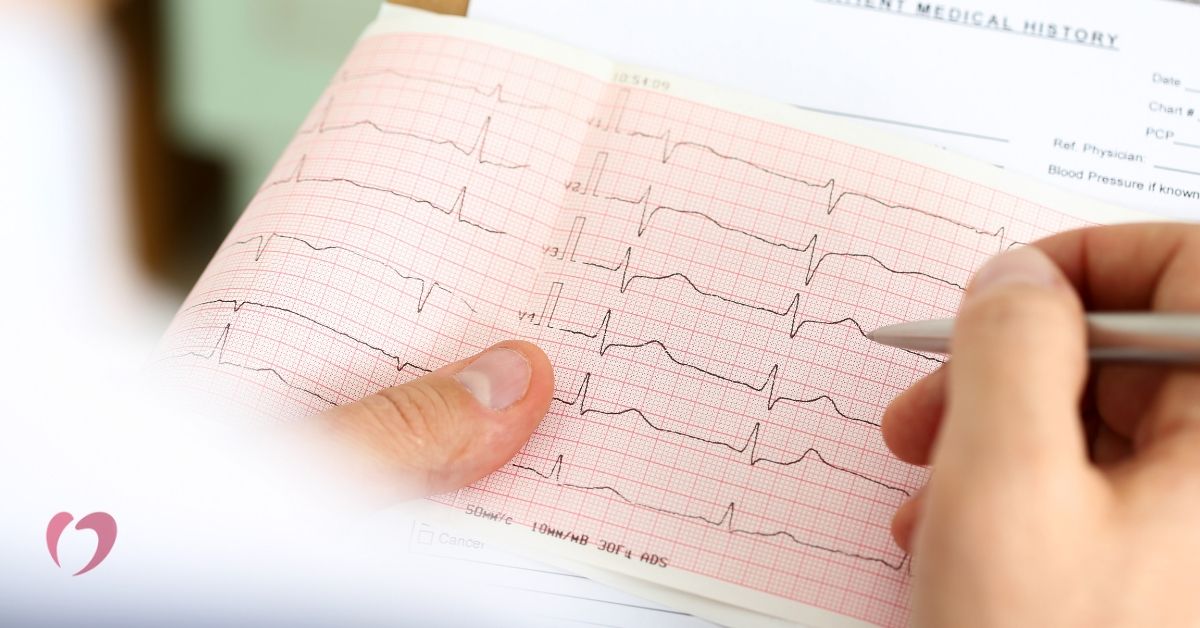
Understanding Ventricular Arrhythmias
Ventricular arrhythmias are abnormal heart rhythms that occur in the lower chambers of the heart. They include premature ventricular contractions, ventricular tachycardia, and ventricular fibrillation.
Read More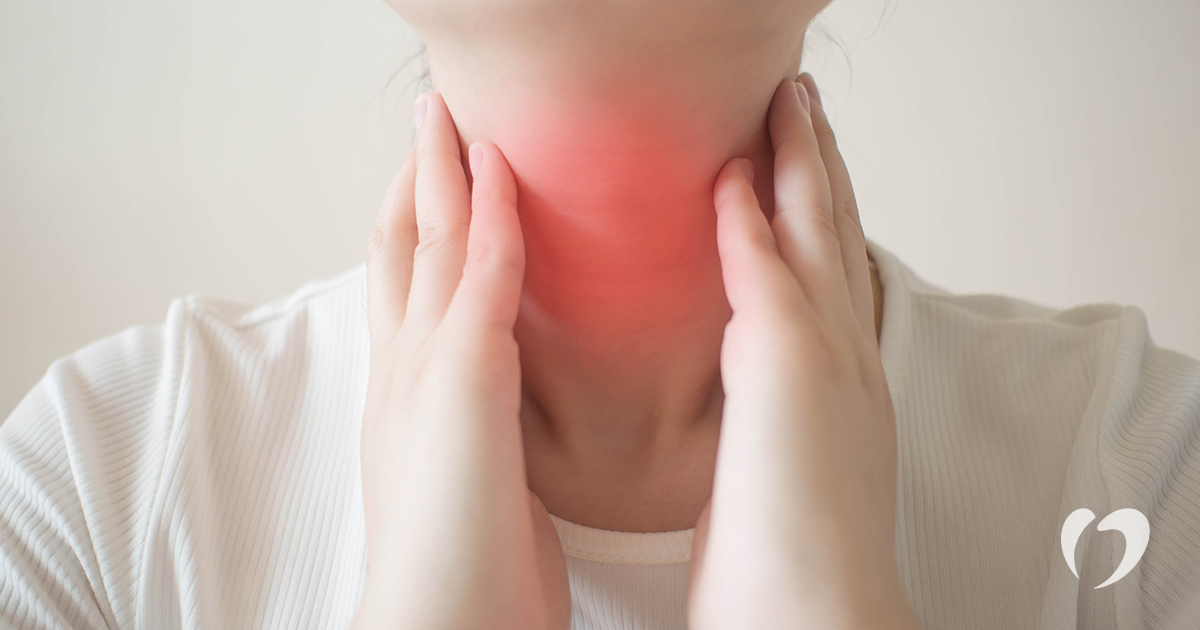
Hyperthyroidism and Your Heart: What You Need to Know
Hyperthyroidism is an overactive thyroid gland that can cause a variety of complications in the body, including sensitivity to heat, weight loss, tremors, changes in bowel patterns, fatigue. It also impacts your heart.
Read More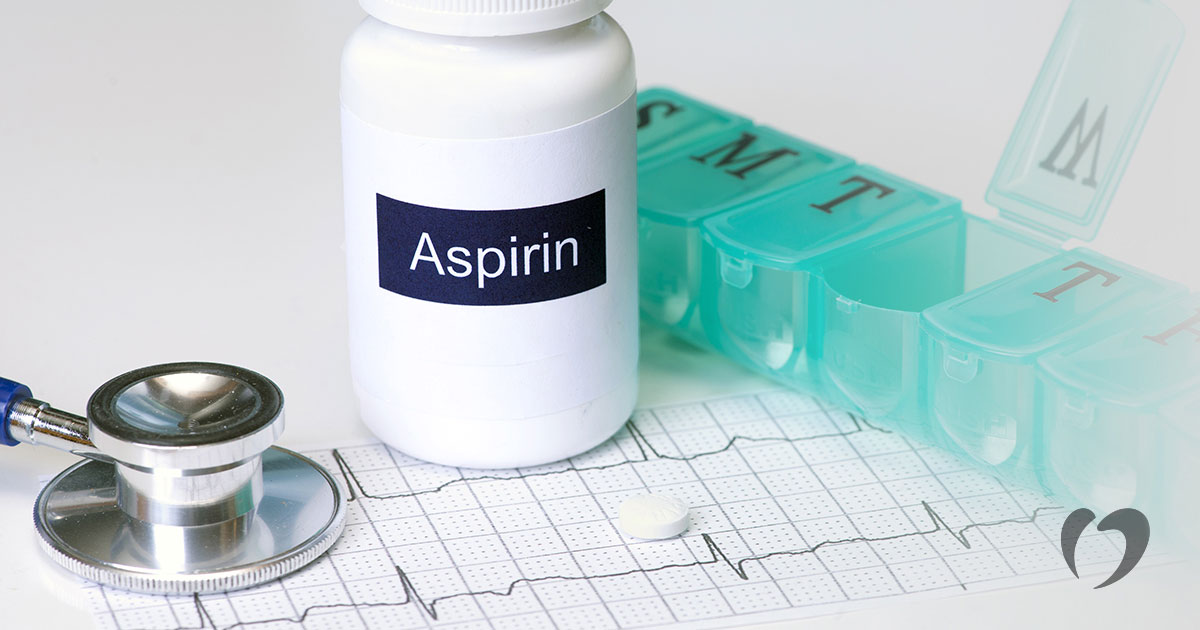
Aspirin and Heart Health
Aspirin may sometimes be recommended for patients who’ve had a heart attack or stroke, but you shouldn’t start taking daily aspirin without talking to your doctor first. Learn more.
Read More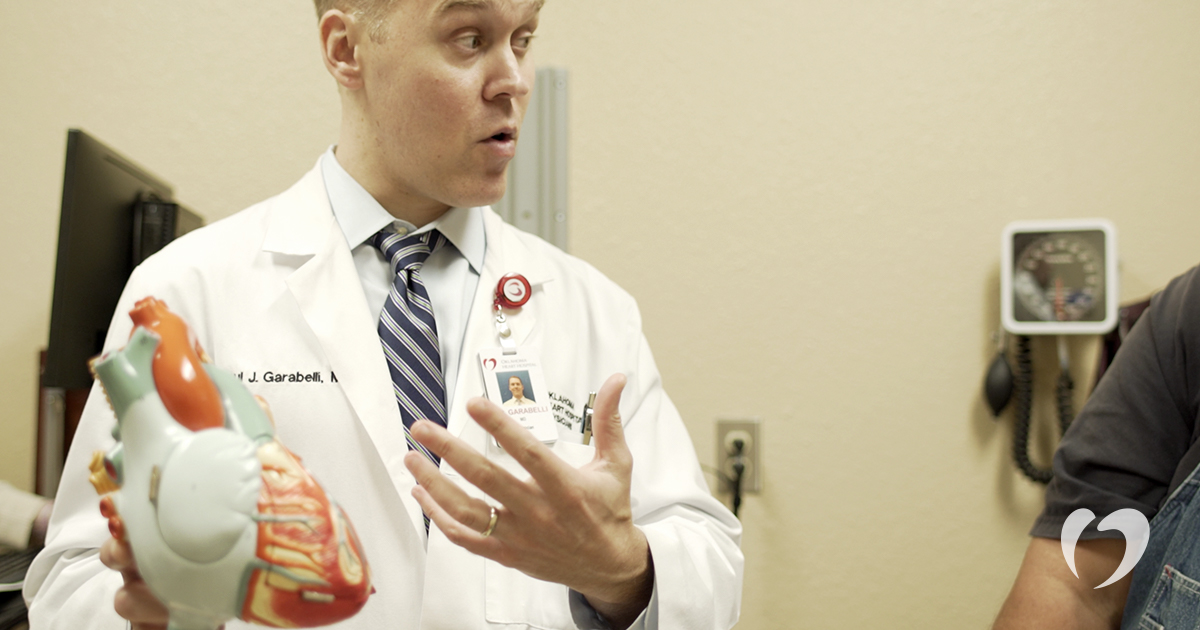
Three Main Categories of Heart Disease
Heart disease falls into three main categories: electrical, structural and circulatory. Learn more about each of these categories.
Read More
Heart Aneurysms and Their Impact on Heart Health
When most people hear the word aneurysm, they probably don’t think of aneurysms in the heart, but they are possible. A ventricular aneurysm occurs when a weakened part of the heart balloons out, which can cause other heart problems.
Read MoreHeart Healthy Eating with the Pritikin Diet
The Pritikin Diet is a low-calorie, low-protein, low-fat eating plan that focuses on eating lots of vegetables and fruits along with whole grains to improve heart health.
Read More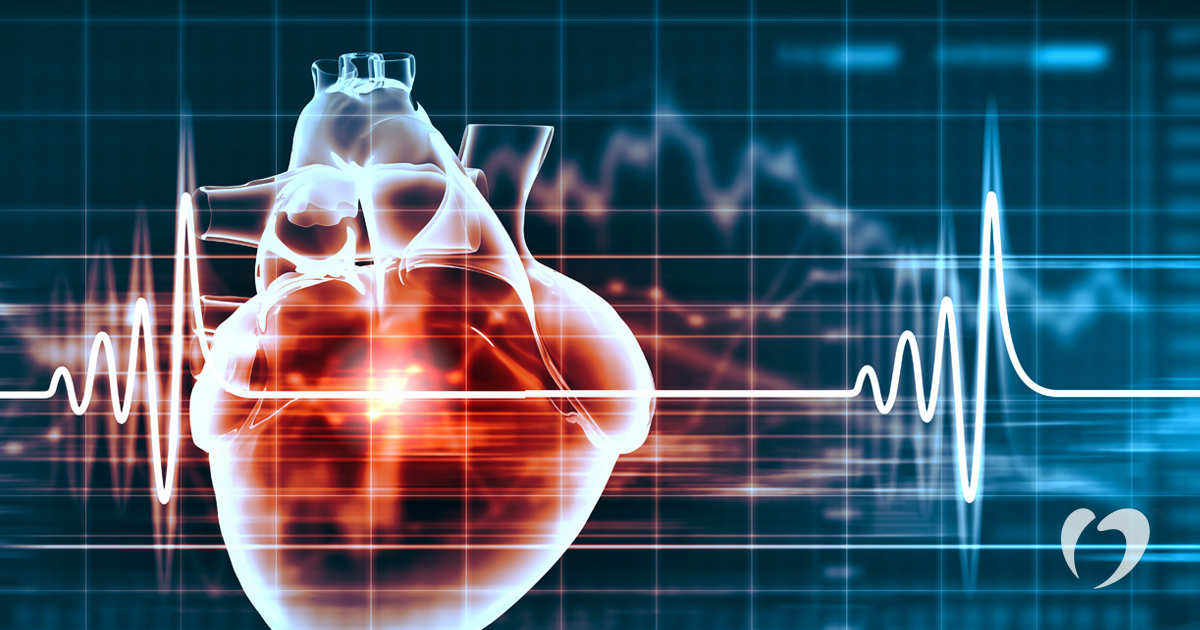
Electrophysiology: Getting to the Heart of Your Arrhythmia
Electrophysiology is a subspecialty of cardiology that focuses on diagnosing and treating heart rhythm issues. An electrophysiology study is a special test that uses a catheter to stimulate and monitor the heart to diagnose an arrhythmia.
Read More
The Relationship Between Diabetes and Heart Disease
Did you know that diabetes and heart disease are linked? In adults with diabetes, the most common causes of death are heart disease and stroke. But many of the risk factors can be managed to reduce your risk.
Read More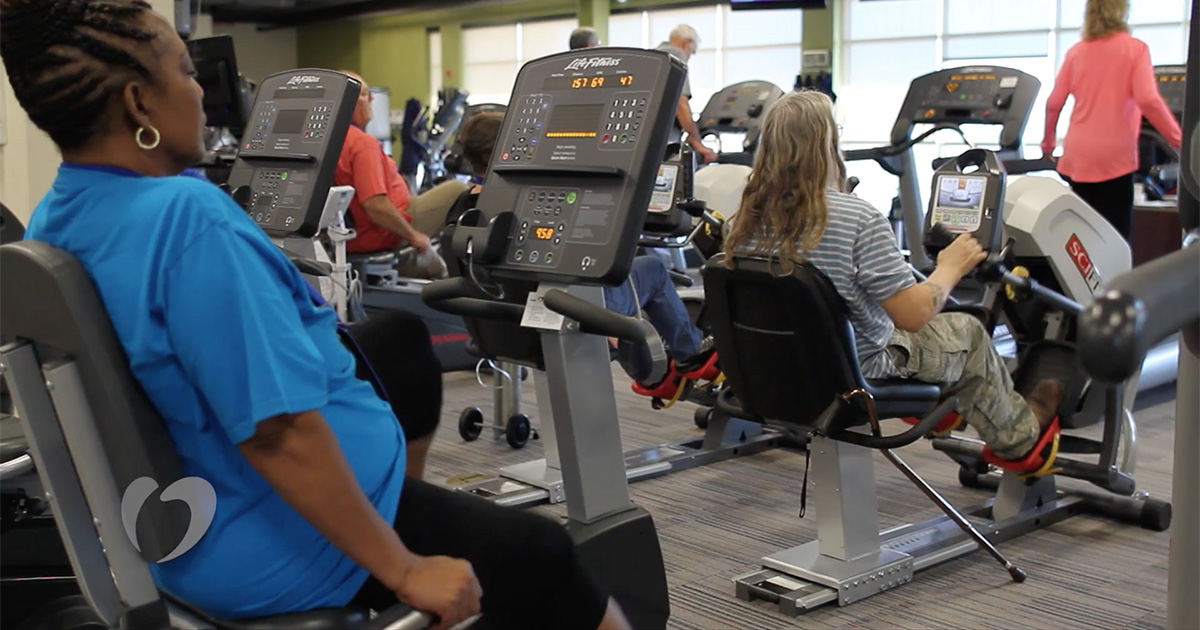
Cardiac Rehabilitation for Congestive Heart Failure Patients
People with congestive heart failure can benefit from improved nutrition and increased exercise. Oklahoma Heart Hospital’s Intensive Cardiac Rehab program is a great option to improve lifestyle factors in a safe, monitored environment.
Read More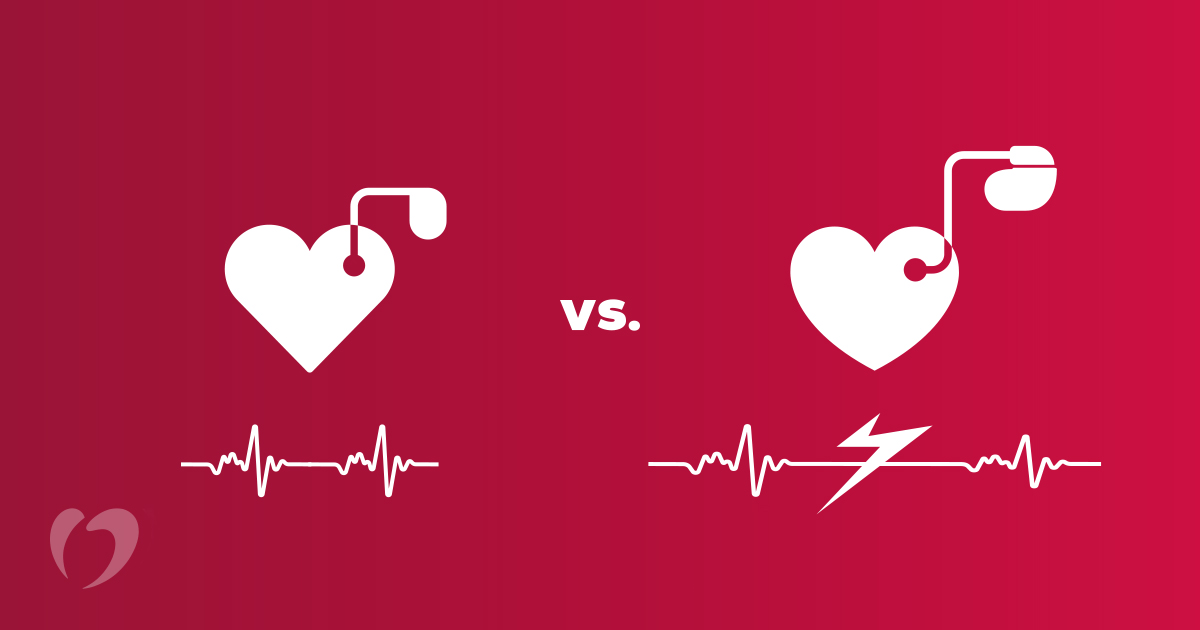
Pacemaker or Defibrillator: What’s the Difference?
Pacemakers and defibrillators are both used to treat irregular heart rhythms, but there are some key differences between the two devices. Some newer devices can perform both functions.
Read More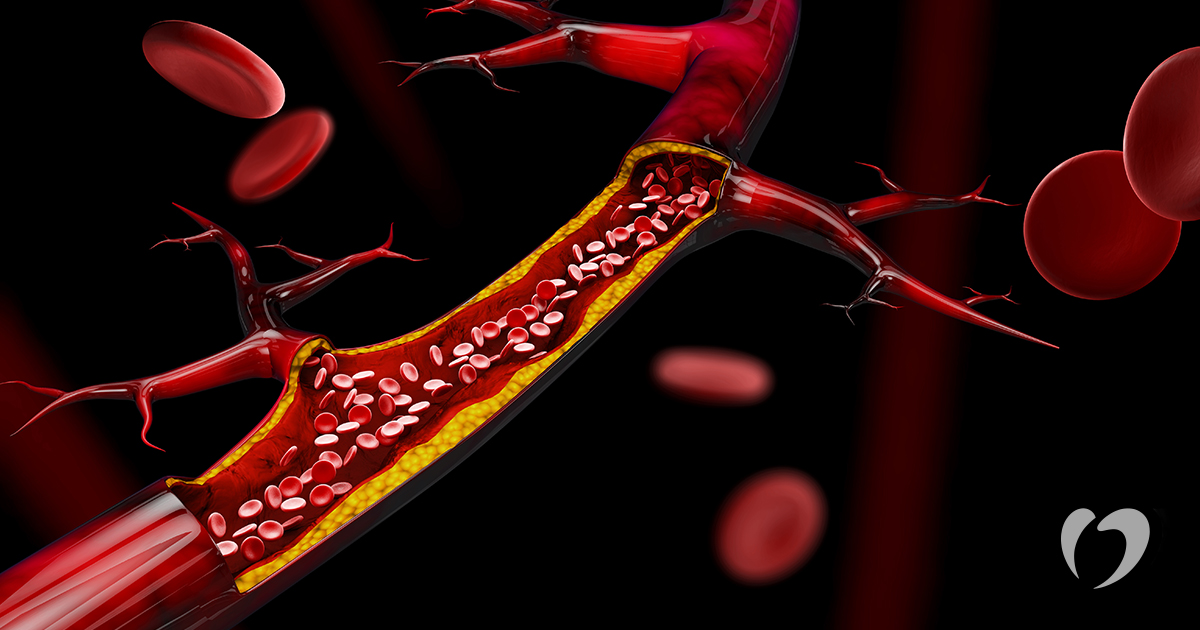
Coronary Heart Disease (Coronary Artery Disease)
Coronary heart disease, also called coronary artery disease, is the most common type of heart disease and accounts for half of all deaths from heart disease. It’s caused by a specific type of arteriosclerosis, or hardening of the arteries, called atherosclerosis.
Read More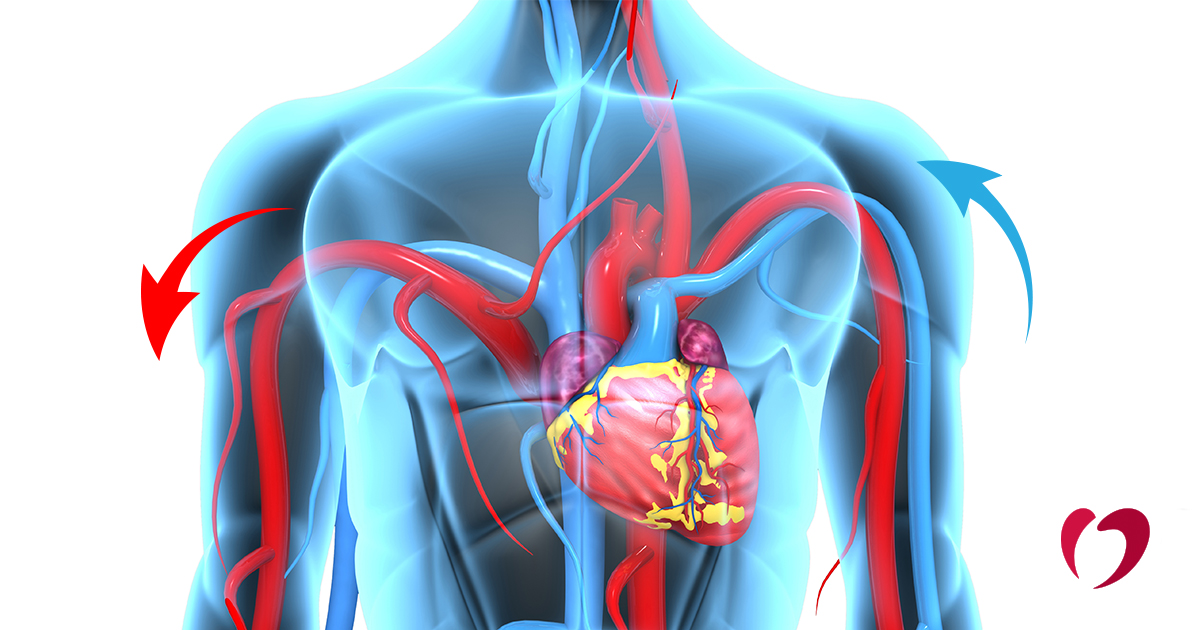
An Overview of Veins and Vein Disease
Part of the cardiovascular system, veins are vessels that circulate blood throughout your body. Age, family history, lifestyle factors and other medical conditions can all increase your risk of vein disease.
Read More