

Are there reversible causes of atrial fibrillation?
Obesity, high blood pressure, sleep apnea, and high blood sugars can all cause atrial fibrillation. The good news is they’re considered reversible causes that may be improved with lifestyle changes.
Read More
Myocarditis causes, symptoms, and treatment
Myocarditis is inflammation of the heart muscle most often caused by a viral infection. Learn more about causes, symptoms, and treatment of myocarditis.
Read More
Deep vein thrombosis (DVT)
Deep vein thrombosis, or DVT, occurs when a clot forms in a deep vein, typically in the leg or thigh. If the clot breaks loose, it can travel to the lungs and result in a potentially life-threatening pulmonary embolism.
Read More
An overview of vein disease
Many people think varicose and spider veins are just a cosmetic issue, but they can be signs of underlying health concerns. Learn more about symptoms and treatment of vein disease.
Read More
Endocarditis symptoms, causes, and treatment
Endocarditis, or inflammation of the inner lining of the heart chambers and valves, can be a life-threatening condition if not treated quickly. Learn more about causes and symptoms.
Read More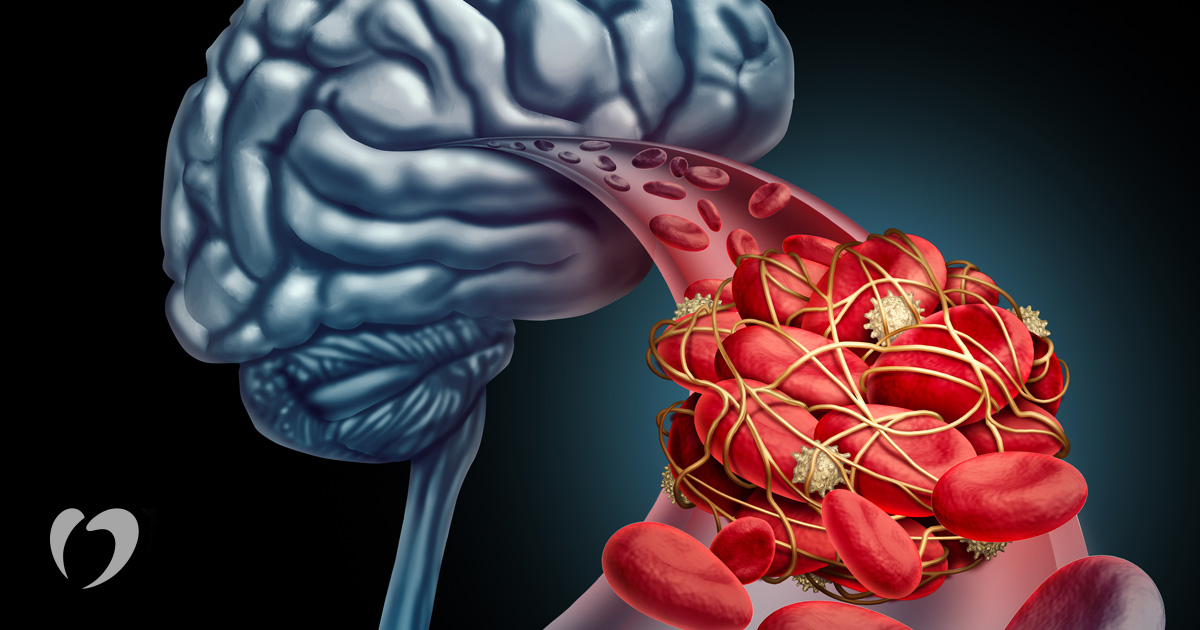
What is a transient ischemic attack or TIA?
A transient ischemic attack, often called a mini stroke, can be a warning sign of future strokes. If you suspect a TIA, seek immediate medical attention.
Read More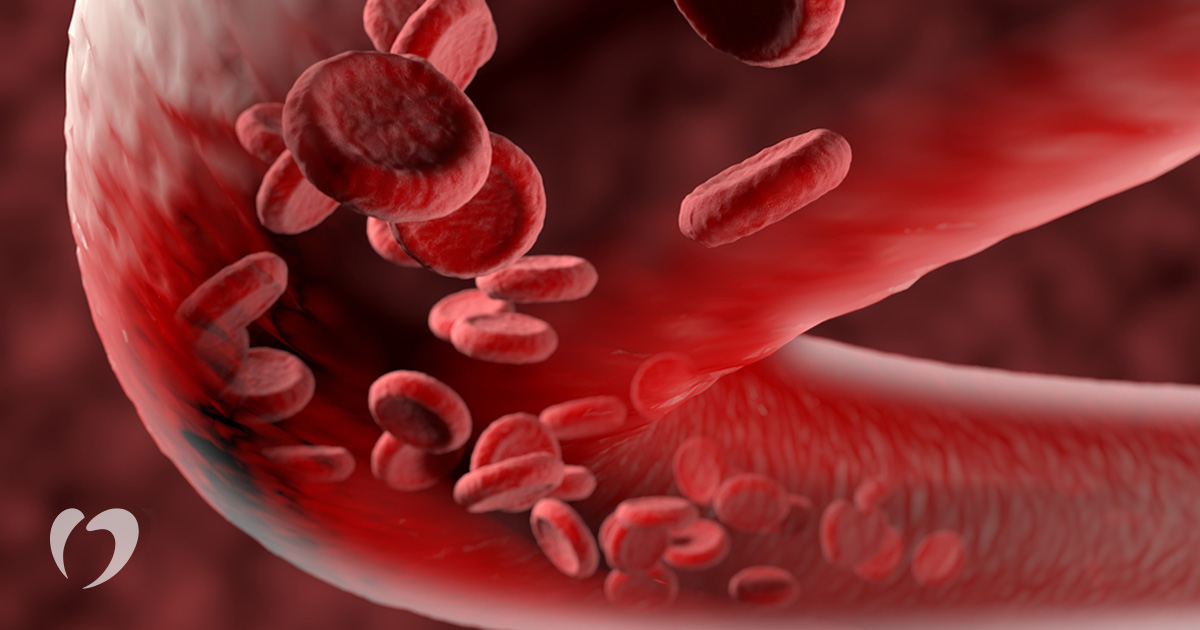
What patients need to know about blood thinners
Blood thinners are lifesaving medications for many people, but they also increase the risk of bleeding from minor injuries. Learn more.
Read More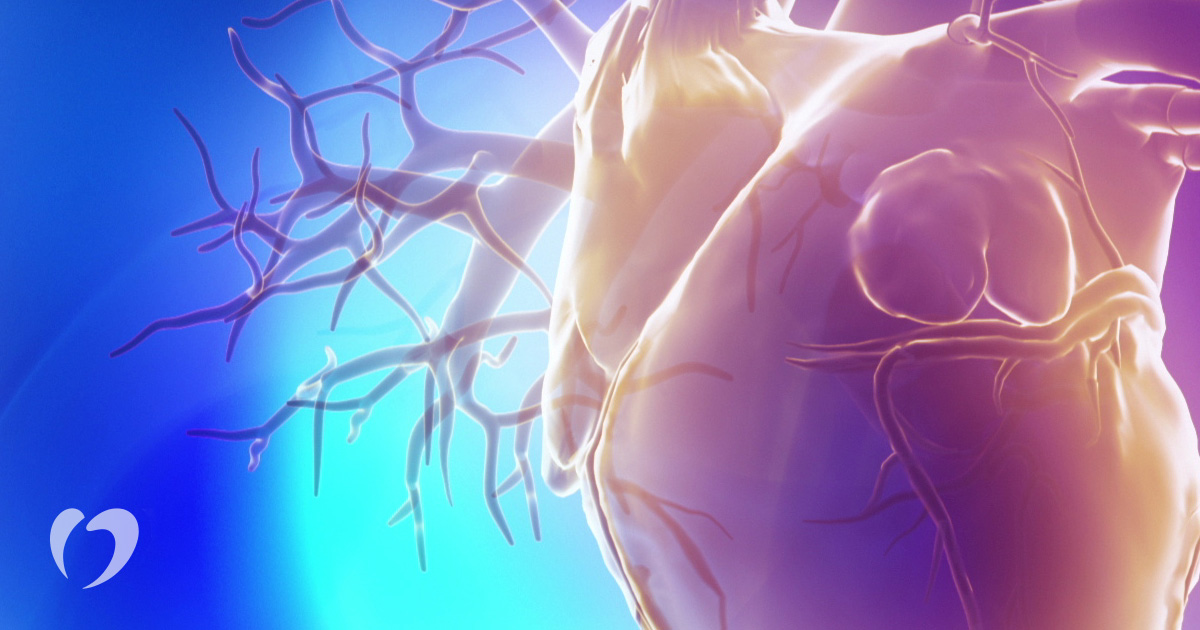
Basic anatomy and function of the heart
The human heart is one of the most powerful organs in the entire body. Let’s take a look at its basic anatomy and function.
Read More
What causes dizziness?
Dizziness can occur due to a variety of medical conditions, including cardiovascular conditions. Learn when you should see a doctor due to dizziness.
Read More
Is a heart murmur cause for concern?
Many heart murmurs are harmless, but abnormal heart murmurs can signify underlying medical issues that require treatment. Learn more about what causes heart murmurs and when to see a doctor.
Read More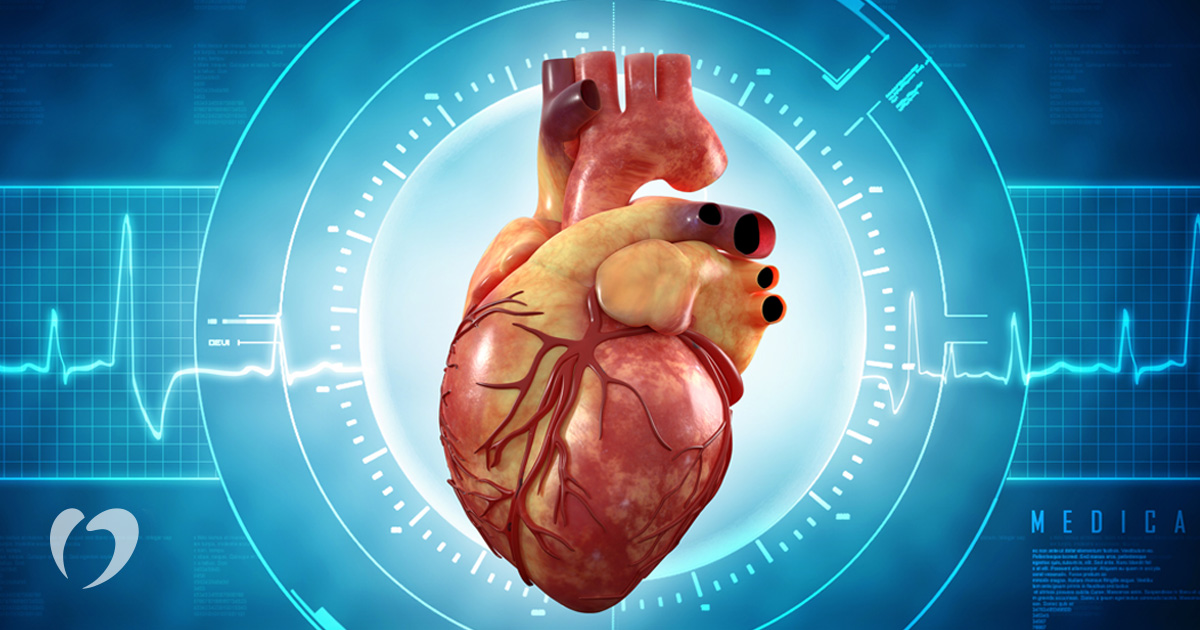
Atrial fibrillation and heart failure
Atrial fibrillation and heart failure are so closely related that some patients will be diagnosed with both at the same time. Learn more about how they relate.
Read More
What is orthostatic hypotension?
Orthostatic hypotension is a form of low blood pressure that happens when standing up. Learn more about symptoms, causes, and treatment.
Read More
Oklahoma Heart Hospital Ranks as Nation’s Top 50
OKLAHOMA CITY (Dec. 18, 2017) – A relentless pursuit of excellence in cardiac care has once again earned the Oklahoma Heart Hospital (OHH) a national ranking as one of 50 top cardiovascular hospitals by IBM’s Watson Health study, previously known as the Truven Health Analytics study. “Although this is the fifth time OHH has […]
Read More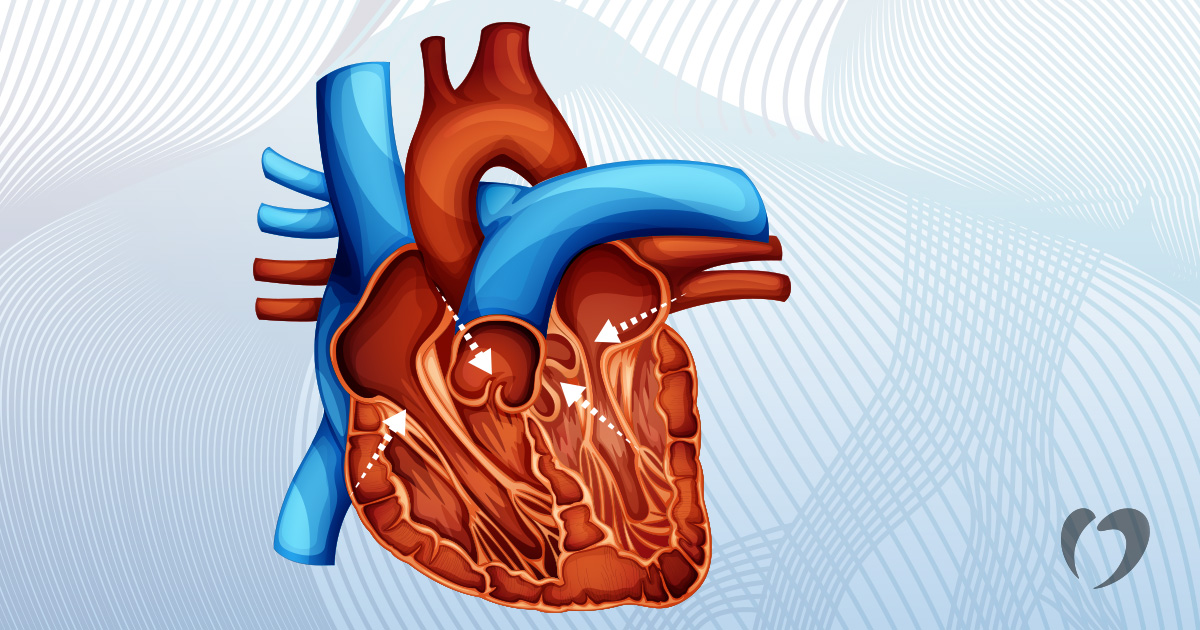
An overview of valve disease
Symptoms of heart valve disease include shortness of breath, dizziness, chest discomfort, palpitations, or swelling of the ankles, feet, or abdomen. Learn more about heart valve disease.
Read More
Using Stents to Treat Chest Pain
Stents are a life-saving procedure for heart attack patients and also have significant benefit for many patients with chest pain.
Read More
What is Sinus Tachycardia?
Sinus tachycardia is a fast but steady heart rate of 100 beats per minute or more at rest. Most cases do not require treatment, but it can signal underlying medical conditions.
Read More
The difference between blood pressure and heart rate
While often measured at the same time, blood pressure and heart rate are two distinct measurements of overall heart health. Learn more about the difference between blood pressure and heart rate.
Read More
What is the vagus nerve?
The vagus nerve extends from the brainstorm to the abdomen and controls a range of involuntary processes in the body, including heart rhythm, breathing, and digestion.
Read More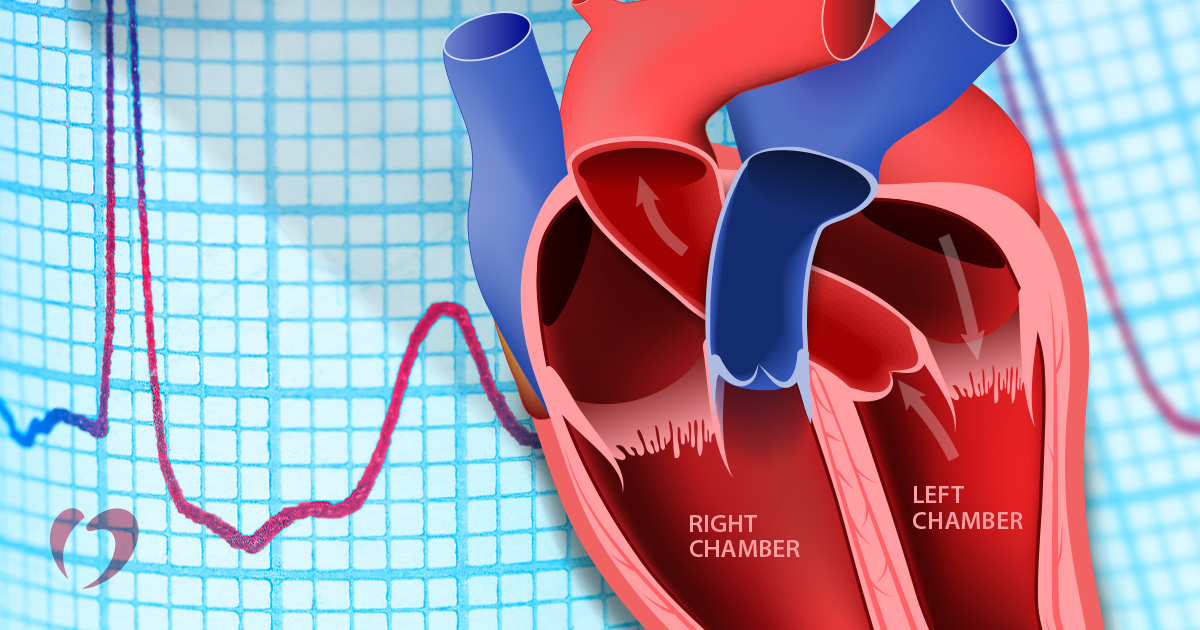
Heart block: symptoms, diagnosis, and treatment
Heart block is the disruption of electrical signals between the upper and lower chambers of the heart. Symptoms can include dizziness, fainting, or fatigue.
Read More
What is pericarditis and how is it treated?
Pericarditis is inflammation of the sac surrounding the heart, which can cause sharp, sudden chest pain that may be confused with a heart attack.
Read More