
Peripheral Artery Disease: Symptoms and Treatments
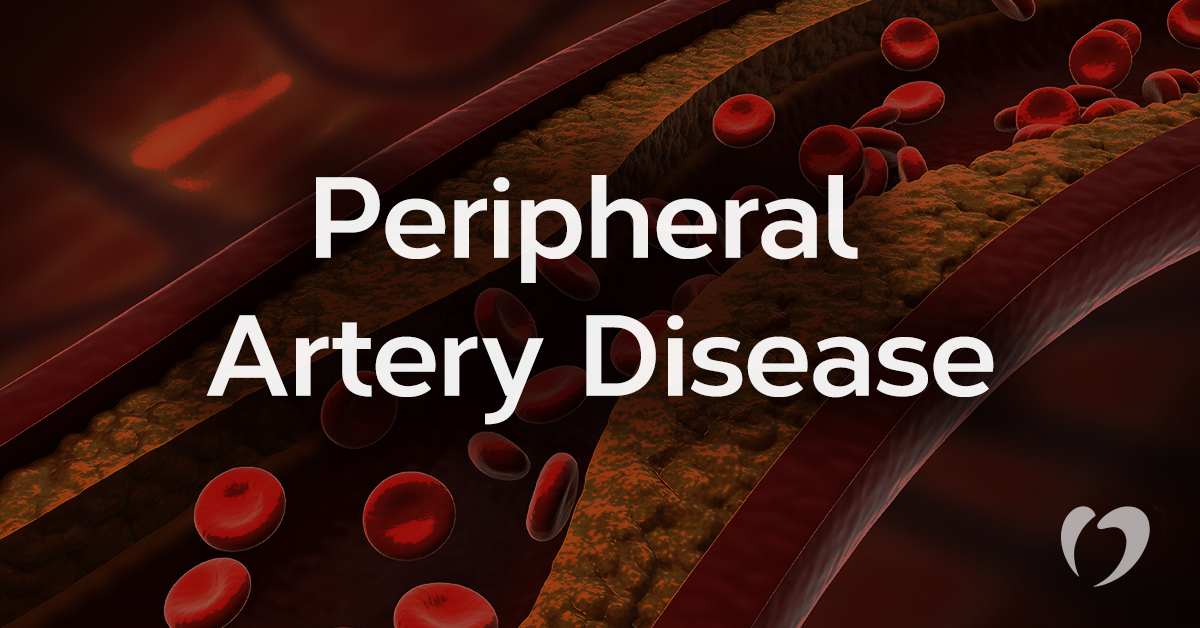
Peripheral artery disease (PAD) is characterized by narrowed arteries that reduce blood flow to the extremities, most commonly in the legs. This condition develops as plaque accumulates in the arteries and restricts blood flow to muscles and tissues.
Because PAD affects blood flow, symptoms may appear gradually and can worsen over time if left untreated. Understanding the signs of peripheral artery disease and knowing when to seek care can help patients protect both their limb health and overall cardiovascular health.
What is peripheral artery disease?
Peripheral artery disease is a type of vascular disease caused by a buildup of fatty deposits, known as plaque, inside the arteries. This process, called atherosclerosis, narrows the arteries and restricts blood flow to the limbs.
Although PAD most frequently affects the legs, it is considered a form of cardiovascular disease. Risk factors like smoking, diabetes, hypertension, and high cholesterol also increase the likelihood of developing PAD, in the same way they can lead to heart attacks and strokes.
Over time, reduced blood flow may limit the amount of oxygen that muscles and tissues receive, particularly during exercise. This poor circulation can lead to severe leg pain, leg cramps, and wounds that don’t heal well. In severe cases, amputation may be required.
Symptoms and diagnosis of peripheral artery disease
Peripheral artery disease often progresses gradually, and some individuals may have minimal symptoms in the early stages.
Common symptoms include the following:
- Leg pain or cramping while walking (called claudication)
- Numbness or weakness in the legs
- Coldness in the lower leg or foot
- Slow-healing wounds on the feet or toes
- Changes in skin color or texture
- Reduced hair growth on the legs
If PAD is suspected, various diagnostic tests can be used to assess blood flow to the limbs. These include physical examination, a test called ankle-brachial index (ABI) that compares blood pressure in the arms and legs, ultrasound imaging, and other vascular studies.
Treatment for peripheral artery disease
Treatment for PAD focuses on improving circulation, relieving symptoms, and preventing complications. Management often begins with lifestyle changes that support vascular health, such as quitting smoking, increasing physical activity, and managing conditions like high blood pressure, diabetes, or high cholesterol.
Medications may be prescribed to improve circulation, reduce the risk of blood clots, or control contributing health conditions. In some cases, minimally invasive procedures or surgical treatments may be recommended to restore blood flow in narrowed arteries.
The specific treatment plan depends on the severity of the condition, a patient’s symptoms, and their overall health.
Importance of early evaluation
Peripheral artery disease can progress over time if circulation continues to decline. Reduced blood flow may lead to chronic pain, slow-healing wounds, or infection in the legs and feet.
PAD is also associated with an elevated risk of heart attack and stroke, as it may reflect broader vascular disease throughout the body.
Early evaluation allows physicians to identify circulatory issues and start treatment before complications develop.
Specialized care for circulation and limb health
Patients with advanced PAD or non-healing wounds may benefit from specialized care that focuses on restoring circulation to preserve limbs.
The Limb Preservation Clinic at Oklahoma Heart Hospital provides coordinated care for individuals with complex vascular conditions. This multidisciplinary approach supports early identification of circulatory issues and effective wound management to reduce risks of infection or limb loss.
If you are experiencing leg pain while walking, non-healing wounds on the feet or legs, or other symptoms of reduced circulation, contact our team to schedule an evaluation.