
Understanding Coronary Microvascular Dysfunction
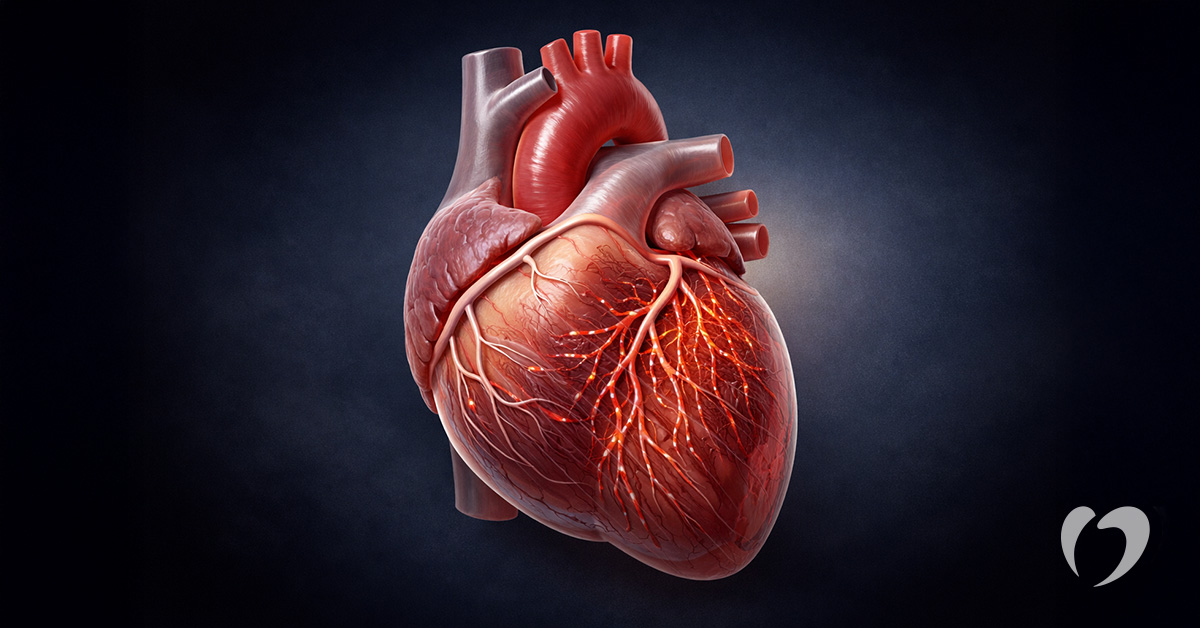
Chest pain and other symptoms of heart disease are often linked to blockages in the major coronary arteries. But for some patients, testing shows no significant blockages even though symptoms continue. In these cases, the cause may be coronary microvascular dysfunction, also known as small vessel disease.
Small vessel disease affects the heart’s tiny blood vessels, the ones too small to be seen on routine imaging, and can reduce blood flow to the heart muscle. Understanding what it is, how it presents, and how it is treated can help patients feel more prepared to discuss symptoms with their physician.
What is coronary microvascular dysfunction?
The coronary microvasculature is the network of very small blood vessels that deliver oxygen-rich blood to the heart muscle. In microvascular dysfunction, these small vessels do not widen (dilate) as they should or may tighten when they should not. As a result, the heart may not receive enough blood flow, particularly during increased demand.
Unlike traditional coronary artery disease, which involves plaque buildup in the large arteries, small vessel disease occurs without visible blockages. This is why it may not appear on standard angiograms or stress tests. Specialized testing is often required to diagnose the condition.
Symptoms and diagnosis of small vessel disease
Symptoms of coronary microvascular dysfunction can vary, and some patients experience them even when major coronary arteries appear normal.
Common symptoms may include:
- Chest pain or pressure
- Shortness of breath
- Fatigue
- Discomfort during emotional stress or physical activity
- Symptoms that improve slowly with rest
- Pain that occurs unpredictably or at rest
Because symptoms can mimic other heart conditions and the coronary microvasculature is too small to be seen on standard imaging, additional testing may be needed when symptoms persist despite normal results.
Your cardiologist may recommend a stress test, cardiac imaging to assess blood flow, or specialized tests that evaluate how the small vessels respond to medication.
How small vessel disease is treated
Treatment for coronary microvascular dysfunction focuses on improving blood flow, relieving symptoms, and addressing underlying contributing conditions.
Treatment options may include:
- Medications to help relax and open small blood vessels
- Beta-blockers, calcium channel blockers, or nitrates for chest discomfort
- Treatment of high blood pressure, high cholesterol, or diabetes
- Lifestyle changes to support cardiovascular health
- Cardiac rehabilitation
- Stress management strategies, since symptoms may be triggered by emotional stress
Your physician will tailor treatment based on your symptoms, test results, and overall health.
Why early evaluation matters
Coronary microvascular dysfunction can impact quality of life and may increase long-term cardiovascular risk if left untreated. Early diagnosis allows physicians to begin treatment that supports better blood flow and helps reduce symptoms over time.
Patients who continue to have chest pain despite normal routine testing should talk with their cardiologist about whether small vessel disease may be a possibility.
Personalized care at the Oklahoma Heart Hospital
Oklahoma Heart Hospital provides advanced testing and treatment options for small vessel disease and other causes of chest discomfort. Our physicians work closely with patients to identify the underlying cause of symptoms and create a personalized plan for care.
If you are experiencing ongoing chest discomfort, shortness of breath, or unexplained fatigue, our team is here to help you understand your symptoms and support you through diagnosis and treatment.