
What Is CKM Syndrome? Understanding the Connection Between Your Heart, Kidneys, and Metabolic Health
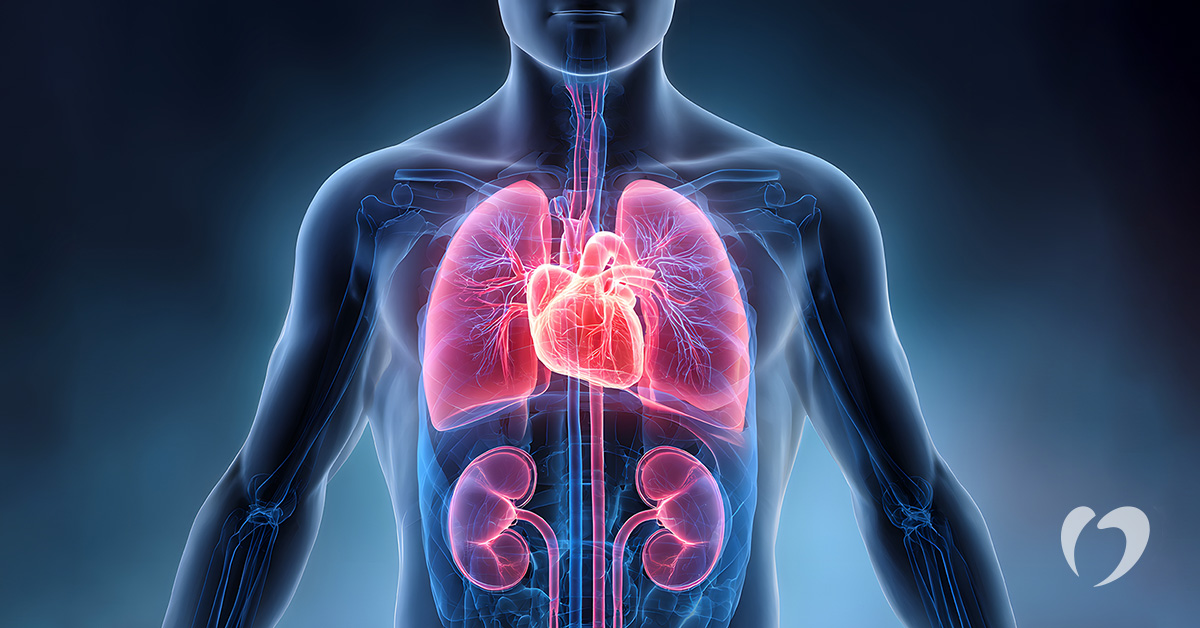
Your heart, kidneys, and blood sugar may seem like separate areas of your health, but they are closely connected. A problem in one area can affect the others and increase your risk of developing more serious health conditions over time.
This connection is known as cardiovascular-kidney-metabolic (CKM) syndrome. A new, first-of-its-kind national guideline presents a five-part, early intervention staging system with recommendations for preventing, detecting, and managing the condition.
Understanding how CKM syndrome develops can help patients recognize their risk factors and take steps to protect their health.
How your heart, kidneys, and metabolism affect one another
High blood sugar can damage small blood vessels throughout the body, including those in the kidneys. As kidney function declines, blood pressure can rise and place greater strain on the heart. At the same time, high blood pressure can further damage the kidneys, and heart problems can reduce the amount of blood reaching them.
Extra weight around the abdomen can also contribute to this cycle. This type of fat is associated with inflammation and metabolic changes that can affect blood sugar, blood pressure, kidney function, and cardiovascular health.
Because these conditions can influence one another, addressing one risk factor may also benefit other areas of your health.
Understanding your risk for CKM syndrome
CKM risk factors are extremely common. About 9 in 10 American adults have at least one, including high blood pressure, high blood sugar, excess abdominal weight, abnormal cholesterol, or early changes in kidney function.
Many people have no symptoms during the early stages, so some patients may feel healthy while changes are already occurring that increase their future risk of heart or kidney disease.
How CKM syndrome progresses
Doctors classify CKM syndrome from stage 0 through stage 4 based on a person’s risk factors and whether heart or kidney damage has developed.
- Stage 0: No CKM risk factors are present.
- Stage 1: Excess abdominal weight is present, but other health measurements remain normal.
- Stage 2: Risk factors like high blood pressure, high blood sugar, or abnormal cholesterol have developed.
- Stage 3: Tests show early damage to the heart or kidneys even though symptoms may not be present.
- Stage 4: Heart disease, heart failure, or kidney disease has been diagnosed.
Identifying CKM syndrome in its early stages gives patients and providers more time to address risk factors and potentially prevent or delay more serious complications.
Know your numbers and what they mean
Knowing your numbers is an important place to start. Keep track of your blood pressure, blood sugar, and cholesterol and talk with your healthcare provider about what those numbers mean for your overall health.
Kidney health is also an important part of CKM screening. Simple blood and urine tests can detect changes in kidney function, sometimes before symptoms develop. Your provider may also consider your waist circumference in addition to your weight when evaluating metabolic risk.
Depending on your CKM stage and individual health, treatment may include changes to physical activity and nutrition, improved management of blood pressure, blood sugar, and cholesterol, or medications to help protect the heart and kidneys.
Taking steps to protect your heart, kidneys, and metabolic health
Routine screening can help identify CKM risk factors before more serious health problems develop. If you have high blood pressure, high blood sugar, abnormal cholesterol, excess weight, kidney concerns, or other cardiovascular risk factors, talk with your healthcare provider about how these factors may affect your health.
At Oklahoma Heart Hospital, our team can help patients better understand their cardiovascular health, identify risk factors, and determine the next steps for prevention and care.
Contact us today to learn more or schedule an appointment.