

How Sodium Impacts Your Heart
Sodium is a mineral that our bodies need to function properly, but too much can increase the risk for high blood pressure and other heart diseases.
Read More
Quit Smoking to Improve Your Heart Health
Smoking is one of the leading causes of preventable disease in the United States. Quitting smoking has significant benefits for your heart health.
Read More
Diagnosing Abnormal Heart Rhythms
Diagnosing abnormal heart rhythms can include a variety of tests, as well as a review of symptoms and family health history.
Read More
Plaque in the Arteries: Causes, Symptoms, and Treatments
Plaque is the buildup of cholesterol in the arteries that can cause serious outcomes like heart attack and stroke.
Read More
Over-the-Counter Medicines and Heart Health
With the many over-the-counter medication options available for everyday aches or illnesses, heart patients need to be aware of how they may affect their heart health.
Read More
Sick Sinus Syndrome: Diagnosis and Treatment
Sick sinus syndrome is a heart rhythm disorder of the sinus node, the heart’s natural pacemaker.
Read More
Inflammation of the Heart
While most cases of inflammation of the heart are mild and self-limiting, sometimes medical care is needed.
Read More

7 Tips for Heart Health Holidays
The holiday season means lots of time with family, friends, and food. Consider these 7 ways to protect your heart health during the holidays.
Read More

Risk Factors for Atrial Fibrillation
There are many risk factors for atrial fibrillation, which is the most common heart rhythm disorder. Managing the risk factors where possible can help prevent the development of AFib or slow its progress.
Read More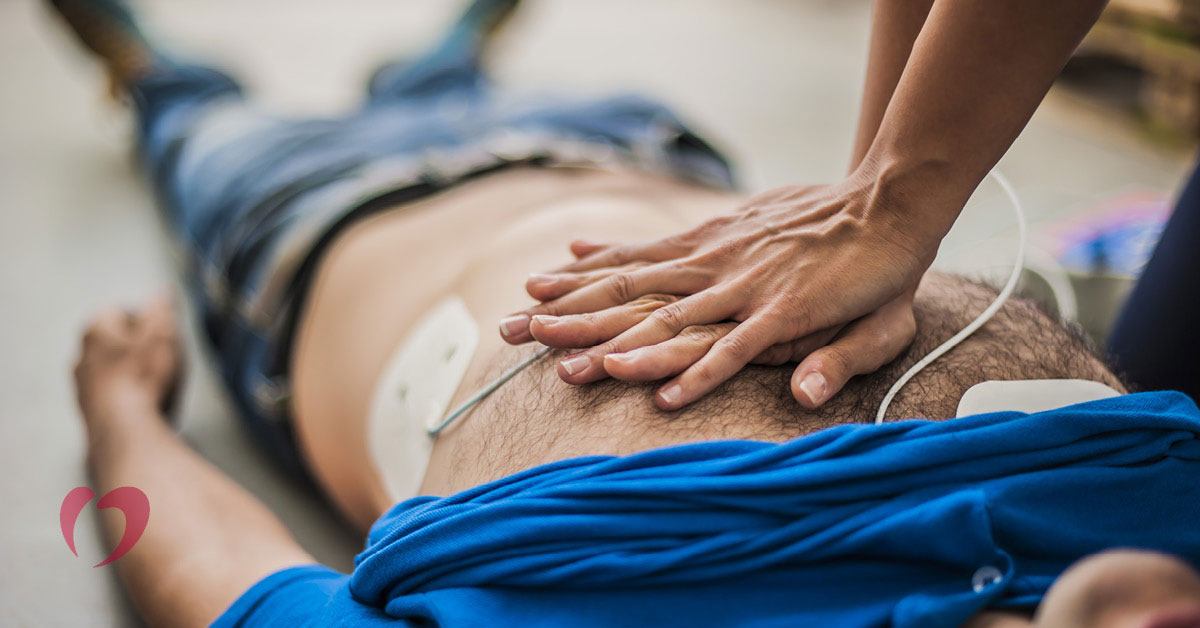
Understanding Sudden Cardiac Arrest
Sudden cardiac arrest happens when the heart’s electrical system is interrupted and the heart stops beating completely. Only about 10% of patients survive sudden cardiac arrest.
Read More
Heart Disease and Diabetes
People with diabetes have an increased risk of developing and dying of heart disease, but there are steps they can take to reduce their overall risk for heart disease.
Read More
Physical Activity with an Abnormal Heart Rhythm
Physical activity is an important part of heart health, even for those diagnosed with an abnormal heart rhythm, but there are some general precautions to consider.
Read More
Planning Ahead for Medical Emergencies
Medical emergencies can happen in an instant. Being prepared for them with the proper legal and medical paperwork is essential.
Read More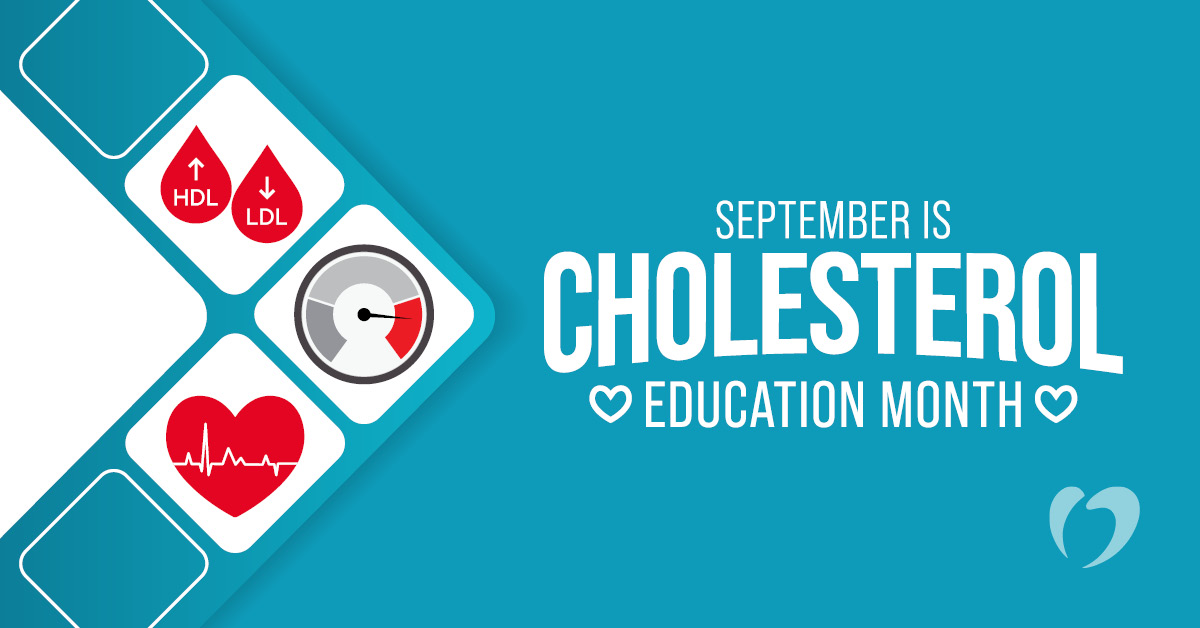
Cholesterol and Heart Health
Cholesterol has a big impact on heart health. September is National Cholesterol Education Month, which is a great time to learn more about your cholesterol and the ways it can affect your health.
Read More
Common Causes of Atrial Fibrillation
Exact causes of atrial fibrillation vary, but it is most often due to damage to heart tissue or the electrical system that regulates the heartbeat.
Read More
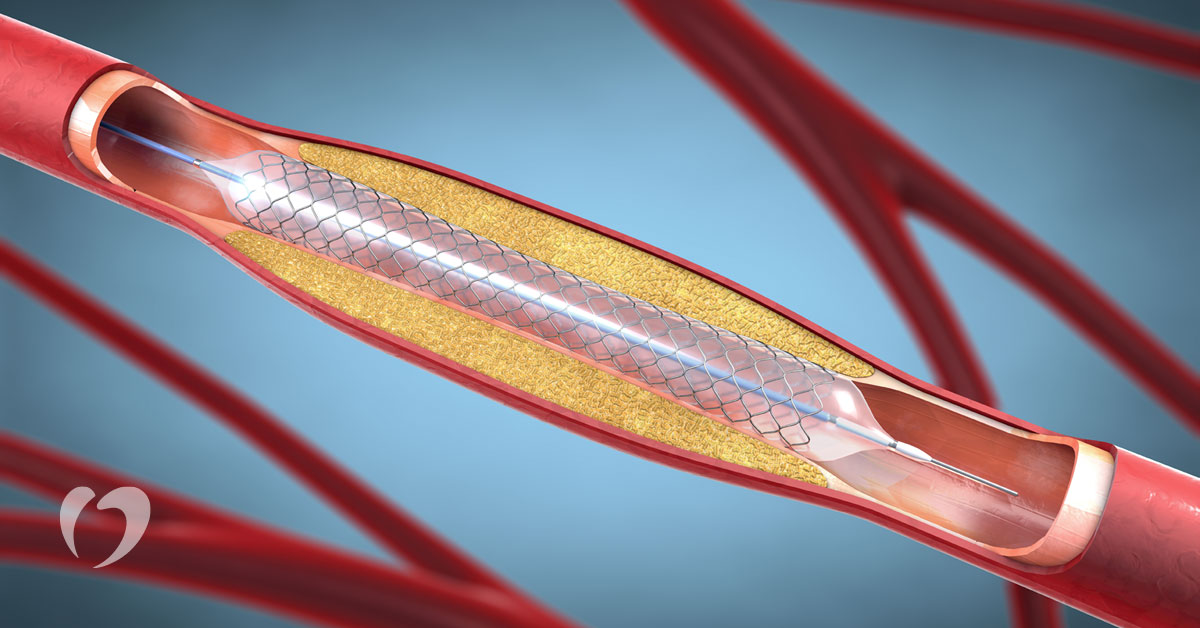
What to Expect During and After Stent Placement
Stents are mesh tubes used to open narrow coronary arteries as a treatment for angina or heart attack.
Read More

Oklahoma Heart Hospital Celebrates 20 Years
Oklahoma Heart Hospital celebrates 20 years of excellence in patient care and innovative treatment of cardiovascular disease.
Read More
Premature Contractions: Symptoms, Diagnosis, and Risk
Premature contractions often cause a feeling of a skipped or fluttery heartbeat. This type of arrhythmia includes premature ventricular contractions and premature atrial contractions.
Read More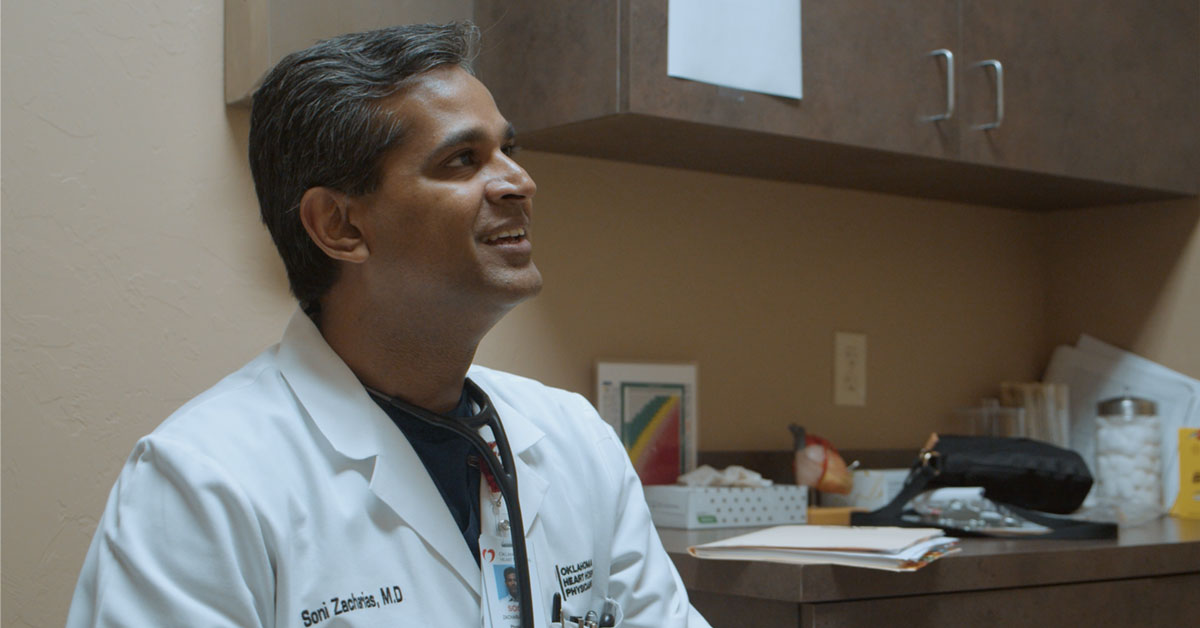
Making an Impact: Clinic for the Uninsured
OHH’s Clinic for the Uninsured provides life-saving specialty services to patients who are uninsured and do not have the resources to pay for testing and treatment.
Read More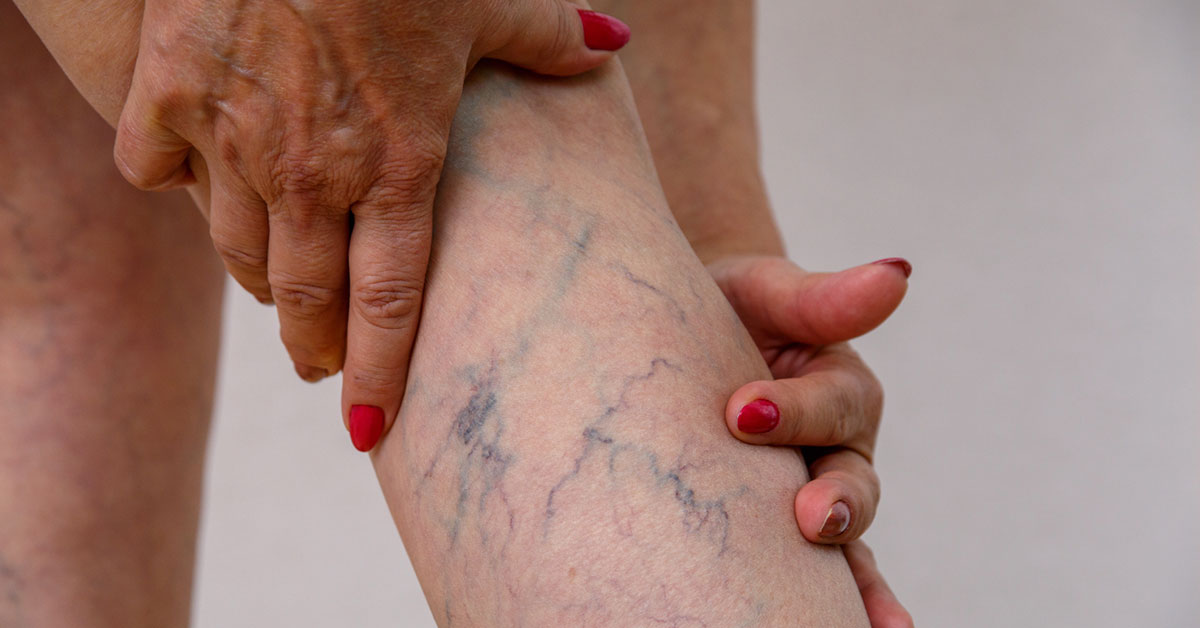
Varicose Veins: Causes, Symptoms, and Treatment
Varicose veins are more than just a cosmetic issue. They are symptoms of vein disease and can lead to further complications if left untreated.
Read More