
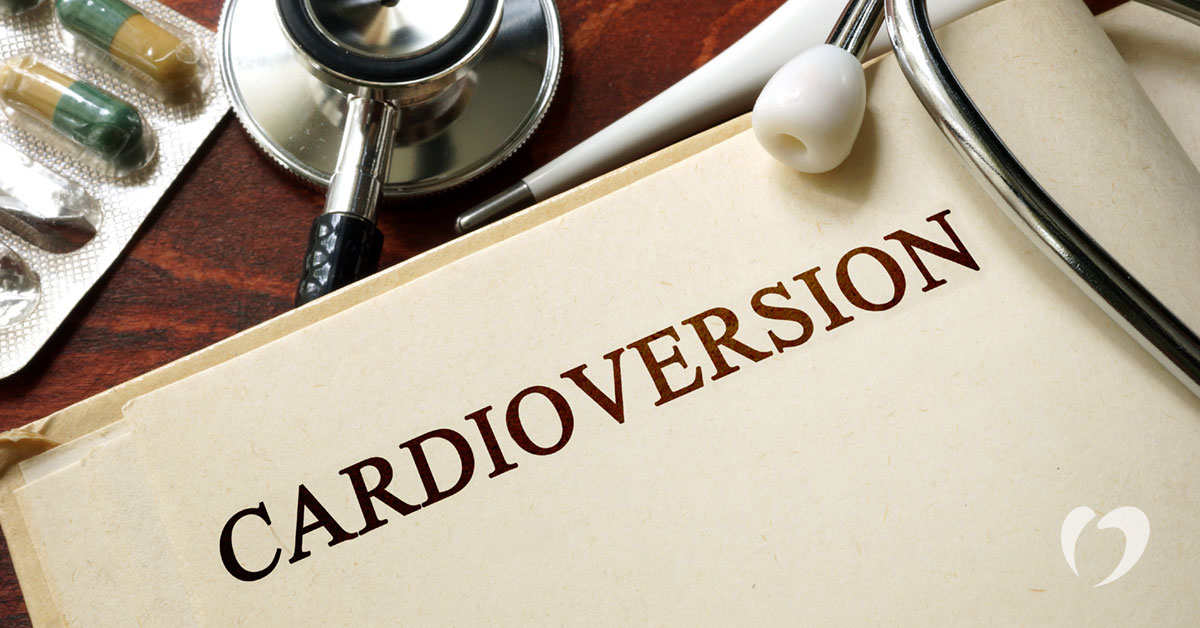
Cardioversion to Correct Abnormal Heart Rhythms
Cardioversion is an outpatient procedure used to restore normal heart rhythm in atrial fibrillation and some types of tachycardia.
Read More

Exercise and Target Heart Rates
Knowing your heart rate and keeping it in a target zone during exercise can help you get the most out of your workout while also keeping you safe.
Read More
Improving Heart Health During Men’s Health Month
June is Men’s Health Month. With 1 in 4 deaths in men being from heart disease, it’s time to focus on cardiovascular health.
Read More
Long QT Syndrome: Symptoms, Diagnosis, and Treatment
In Long QT Syndrome, the heart’s electrical system takes longer than normal to recharge between heartbeats, which can lead to a life-threatening arrhythmia.
Read More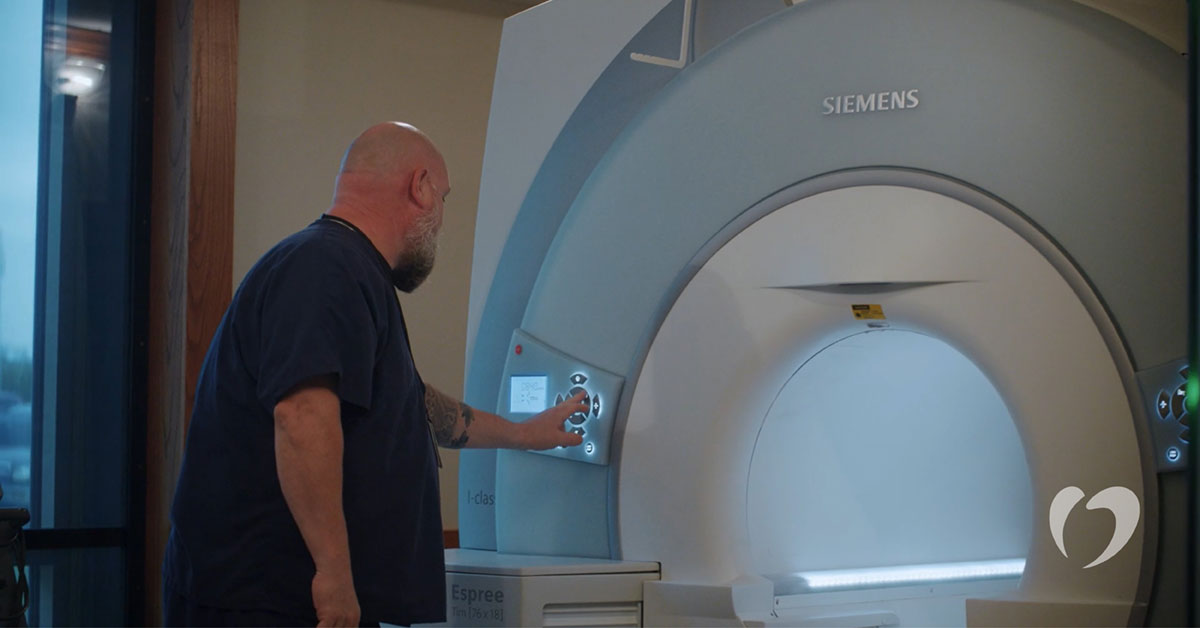
Cardiac MRI to Diagnose Heart Conditions
A cardiac MRI is an imaging test used by doctors to diagnose and monitor various heart conditions. It is safe, noninvasive, and provides reliable images.
Read More
May is National Stroke Awareness Month
During the month of May, we educate and raise awareness about strokes and stroke prevention. Strokes can have a number of causes, including various heart diseases and conditions.
Read More
What to Expect with an Angiogram
A coronary angiogram is one of the most common catheter procedures used to diagnose narrow or blocked arteries. It uses a special dye and X-rays to take pictures of the blood vessels around the heart.
Read More
Reducing Risk of Infection After Surgery
There is always some risk of infection after surgery, and any infection can complicate the healing process and make it harder to recover. There are many steps to take before, during, and after surgery to prevent infection.
Read More
Vasovagal Syncope: A Common Cause of Fainting
One of the most common causes of fainting episodes is vasovagal syncope. In vasovagal syncope, the brain misinterprets stimuli and overreacts to it.
Read More
Spotlight on the Heart Failure Center
The Heart Failure Center at Oklahoma Heart Hospital specializes in treating patients with heart failure and improving their quality of life through a collaborative team approach, participation in clinical trials, and use of cutting-edge technology.
Read More
National Pulmonary Rehabilitation Week
National Pulmonary Rehabilitation Week begins March 13. During this week, we highlight the importance of pulmonary rehab and how it can help patients with chronic lung disease.
Read More
Replacing a Pacemaker or Defibrillator
Pacemakers and implantable cardiac defibrillators are life-saving devices for many people. But like any electronic device, they occasionally need to be replaced.
Read More
What to Expect During a Cardiac Stress Test
A stress test helps your doctor diagnose heart diseases and disorders by monitoring heart activity as heart rate is gradually increased and decreased.
Read More
Go Red for Women 2022
In February, we Go Red for Women. Focusing on women’s heart health and educating women about the risks for cardiovascular disease can make a big impact on health outcomes.
Read More
Ventricular Fibrillation
Ventricular fibrillation is an uncommon but very serious arrhythmia that can result in death within minutes.
Read More
National Blood Donor Month
During the month of January, we celebrate and educate about blood donation. For heart patients, it is important to understand how their health conditions may affect blood donation and the need for blood.
Read More
Weight Loss Supplements and Heart Health
Supplements may seem like a harmless way to try to lose weight, but they can have serious consequences for those with heart conditions. Always talk to your doctor before beginning a new supplement.
Read More
Nonsurgical Treatment for Abnormal Heart Rhythms
For patients with abnormal heart rhythm, there are three types of nonsurgical treatment often used: medication, cardioversion, and catheter ablation.
Read More
Know Your Heart Health Numbers
Blood pressure, heart rate, cholesterol, weight, and blood sugar levels are important heart health numbers to monitor. Regular monitoring can help catch heart problems early and lead to more effective treatment.
Read More
Revised Guidelines on Aspirin for Heart Health
Daily low-dose aspirin for overall heart health is no longer recommended for most adults. A panel of medical experts has determined the risks outweigh the benefits in many situations.
Read More