

Wolff-Parkinson-White Syndrome
Wolff-Parkinson-White Syndrome (WPW) is a rare condition affecting the electrical pathways that regulate how the heart beats. An extra electrical pathway between the upper and lower chambers of the heart causes the lower chambers to beat too early and the heart to beat rapidly.
Read More
A Healthier Heart for 2021
As the new year approaches, many will begin thinking about healthy resolutions. These four habits can help improve your heart health.
Read More
Does Owning a Pet Impact Heart Health?
Pets bring lots of joy, laughter, and love to their owners, but they can also help improve heart health. Studies have shown that owning a pet can reduce stress, increase physical activity, and decrease the risk of death after a stroke or heart attack.
Read More
What is Atrial Flutter?
Atrial flutter is a heart rhythm disorder where the upper chambers, or the atria, beat too quickly and are out of sync with the lower chambers, or ventricles.
Read More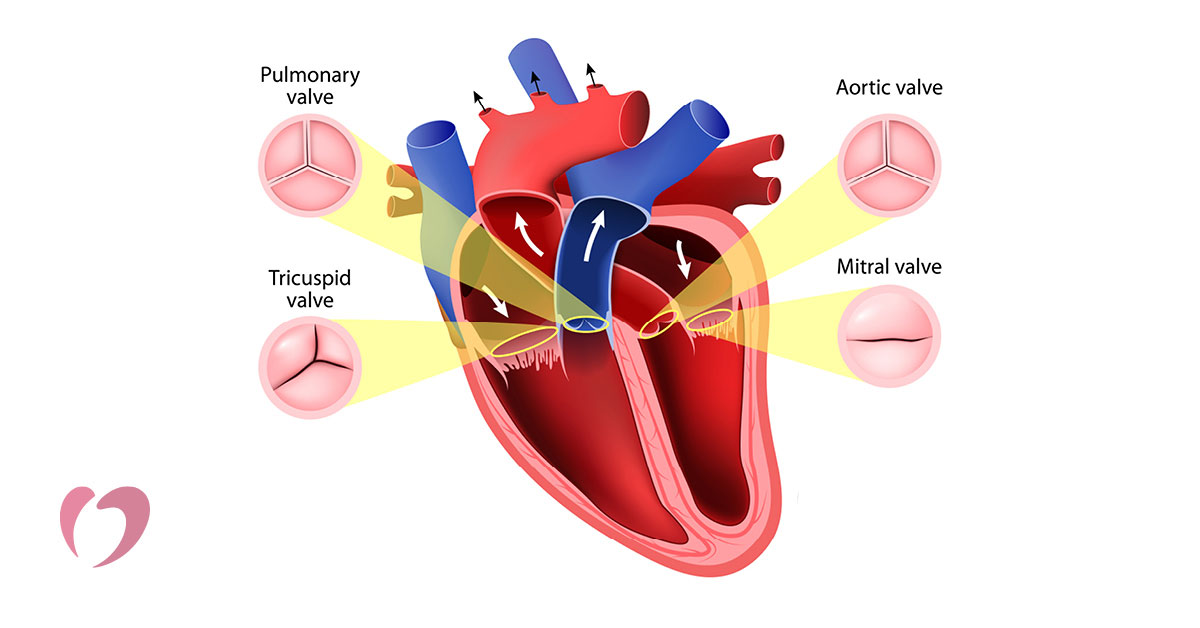
Leaky Heart Valves: Causes, Diagnosis, and Treatment
Leaky valves, also called valve regurgitation, occur when a valve doesn’t close properly and allows some blood to flow backward through the heart. Leaky valves can range from minor with no symptoms at all to much more severe cases requiring valve replacement.
Read More
Alcohol Consumption and Heart Health
Alcohol consumption can impact the heart in many ways. While light to moderate drinking is not a large health risk for many people, those with existing heart conditions should use extra caution and consult their doctor.
Read More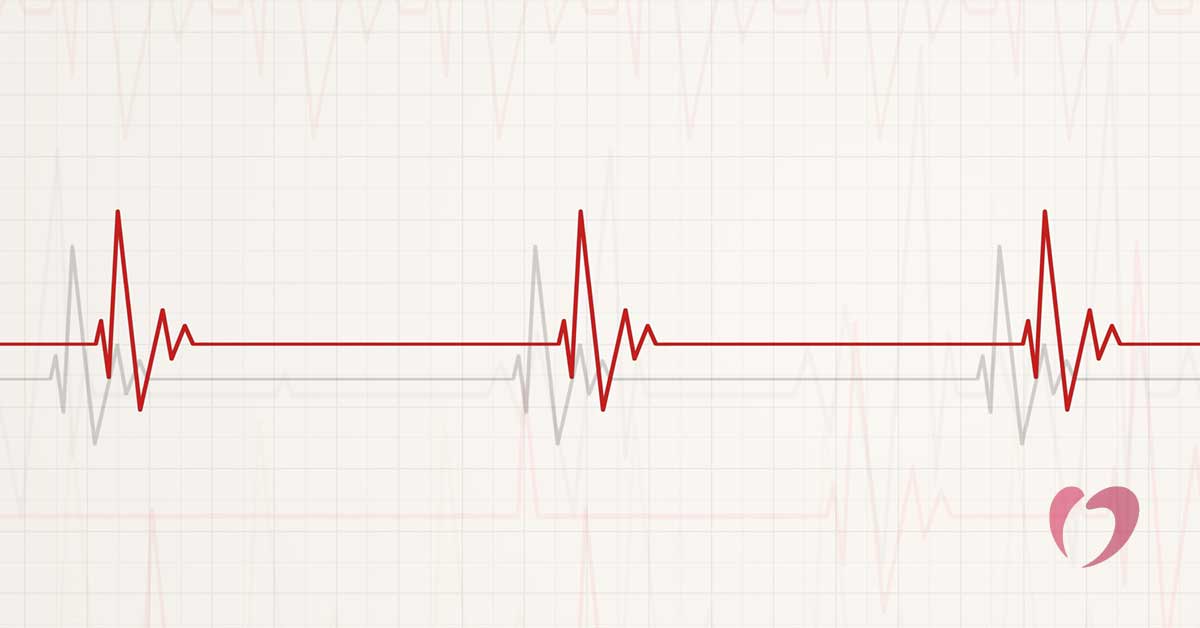
Understanding Bradycardia
Bradycardia is the term used for an abnormally slow heart rhythm. There are many causes of bradycardia, and a pacemaker is one of the most common treatments.
Read More
How Cold Medicine Can Impact Your Heart
Over-the-counter cold and flu medications can be harmful to individuals with certain heart conditions. Always check with your doctor before taking over-the-counter medications.
Read More
Cardiac Arrest – Risks and Prevention
Sudden cardiac arrest is caused by a disruption in the heart’s electrical system that causes it to stop beating abruptly. It can occur without warning signs and is often fatal.
Read More
Can Surgery Cause Heart Rhythm Issues?
In some patients, heart surgery can cause heart rhythm disorders such as atrial fibrillation. Typically, the abnormal heart rhythm resolves on its own as the body heals, but sometimes treatment is needed.
Read More
How the Heart Changes with Age
Changes in the heart and circulatory system occur naturally as we age. There are many important steps to help maintain a healthy heart as we get older.
Read More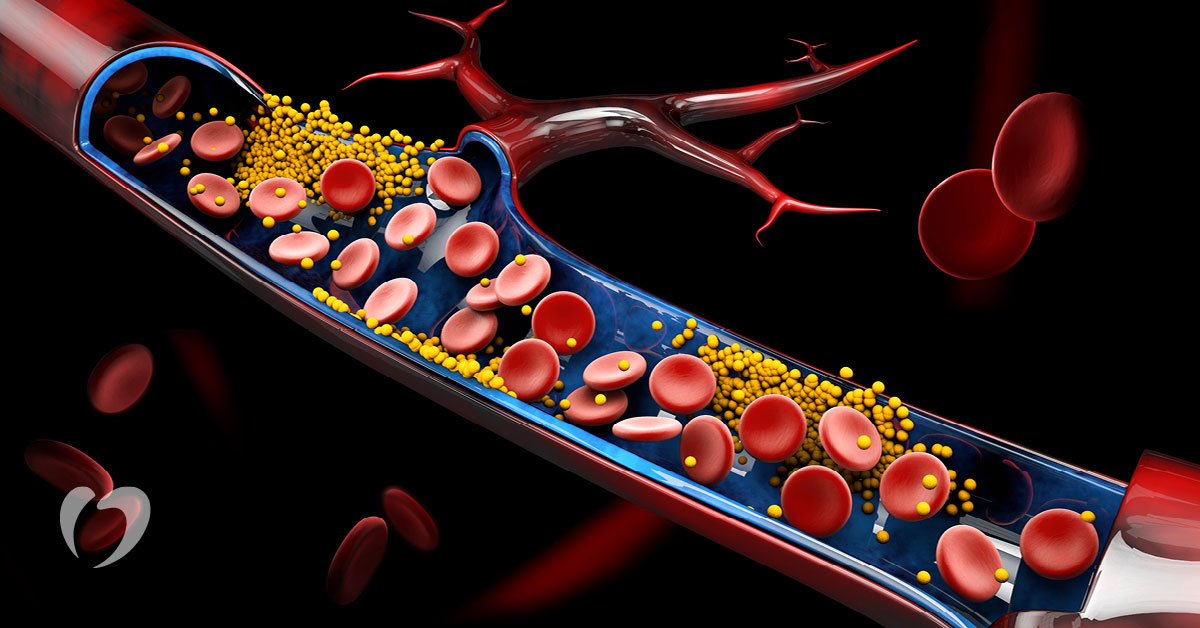
How Cholesterol Affects Your Heart and Body
Cholesterol is a waxy, fat-like substance found in the bloodstream. Our bodies need some cholesterol to function, but problems can occur when cholesterol is too high or there’s an imbalance between the two types of cholesterol.
Read More
September is National Atrial Fibrillation Awareness Month
Atrial fibrillation is the most common heart rhythm disorder in the United States. While patients with AFib have increased risk of stroke, it’s a very treatable condition.
Read More
FAQ: Clinical Research Trials
Clinical research trials are an important step in creating and testing new procedures and medicines to treat a wide range of health conditions. These are frequently asked questions about clinical trials at Oklahoma Heart Hospital.
Read More
Heart Health and Memory Decline
When it comes to your brain and heart, the health of one directly affects the health of the other. Heart problems can lead to memory decline in several different ways.
Read More
Glossary of Common Heart Rhythm Terms
There are many different medical terms you might hear if you or a loved one has been diagnosed with a heart rhythm issue. This glossary highlights some of the most common terms.
Read More
Heart Health Benefits of a Plant-Based Diet
Plant-based and plant-forward diets are increasing in popularity. Eating more vegetables and fruits and fewer animal products can make a difference for your heart health.
Read More
How Dental Health Can Impact Your Heart
Dental health and heart health are connected more than many people realize. Bad dental hygiene habits can increase blood pressure, interfere with hypertension medications, and worsen heart valve infections.
Read More
Conduction Disorders: The Heart Health Problem You Don’t See
Conduction disorders are a general type of heart rhythm issue that occurs when something blocks or impairs the electrical signals in the heart. While some conduction disorders are mild and have no symptoms, others are much more serious.
Read More
Tips for Reducing Sodium Intake
High levels of sodium are a direct cause of high blood pressure. Over time, high blood pressure can lead to heart disease, plaque buildup, and other cardiovascular issues.
Read More