

Cardiac Catheterization
Cardiac catheterization can be used in the diagnosis and treatment of many different heart disorders. During a cardiac cath, a catheter is threaded to your heart through a vein or artery in your arm, neck, or groin.
Read More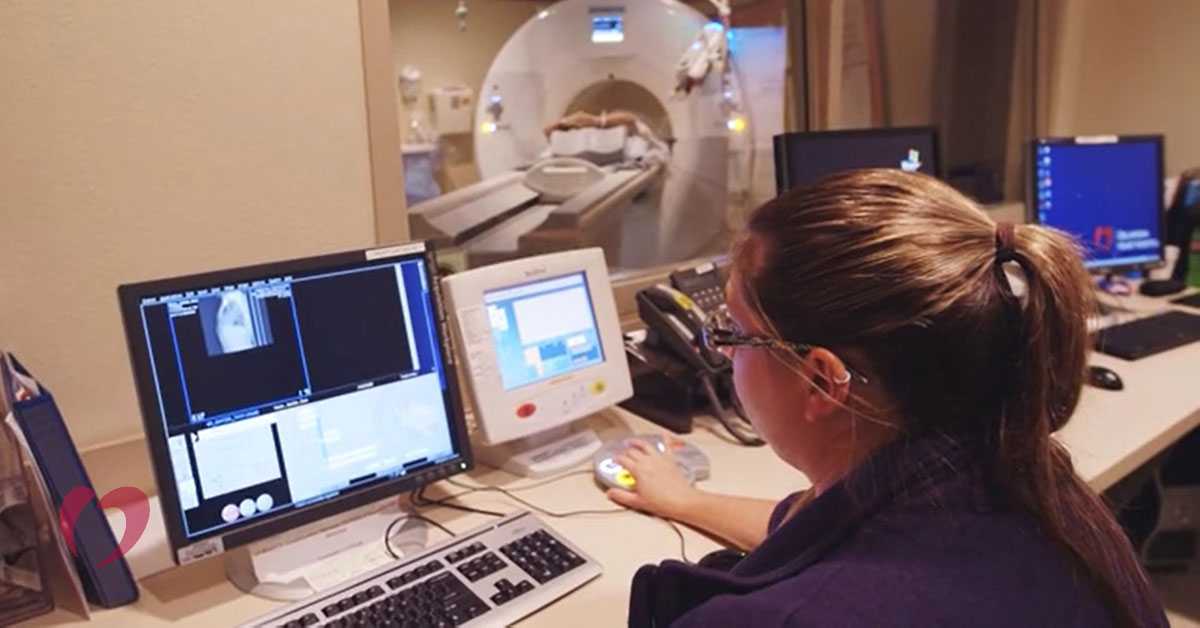
Spotlight on OHH Heart Valve Institute
OHH’s Heart Valve Institute is committed to minimally invasive techniques to treat all types of heart valve disorders. We are the most experienced transcatheter aortic valve replacement (TAVR) center in the state of Oklahoma.
Read More
Music and Heart Health
Music affects the body in many ways and can play a role in the journey toward heart health as part of stress reduction and fitness routines.
Read More
Using Ablation to Treat Premature Ventricular Contractions
Premature ventricular contractions are a type of arrhythmia that happens when extra beats originate in the bottom chambers (or ventricle) of the heart. Lifestyle changes, medications, or ablation therapy may be recommended to treat different severities of PVCs.
Read More
Spotlight on OHH Research Foundation
Oklahoma Heart Hospital Research Foundation focuses on clinical research to advance our knowledge and treatment of heart disease. This innovation impacts treatment of heart disease in Oklahoma and throughout the world.
Read More
Local Fire Chief Shares Personal Journey with Heart Disease
A simple heart scan saved one fire chief’s life. The Hearts for Heroes program partners with Oklahoma Blood Institute to provide free heart scans for firefighters who donate blood.
Read More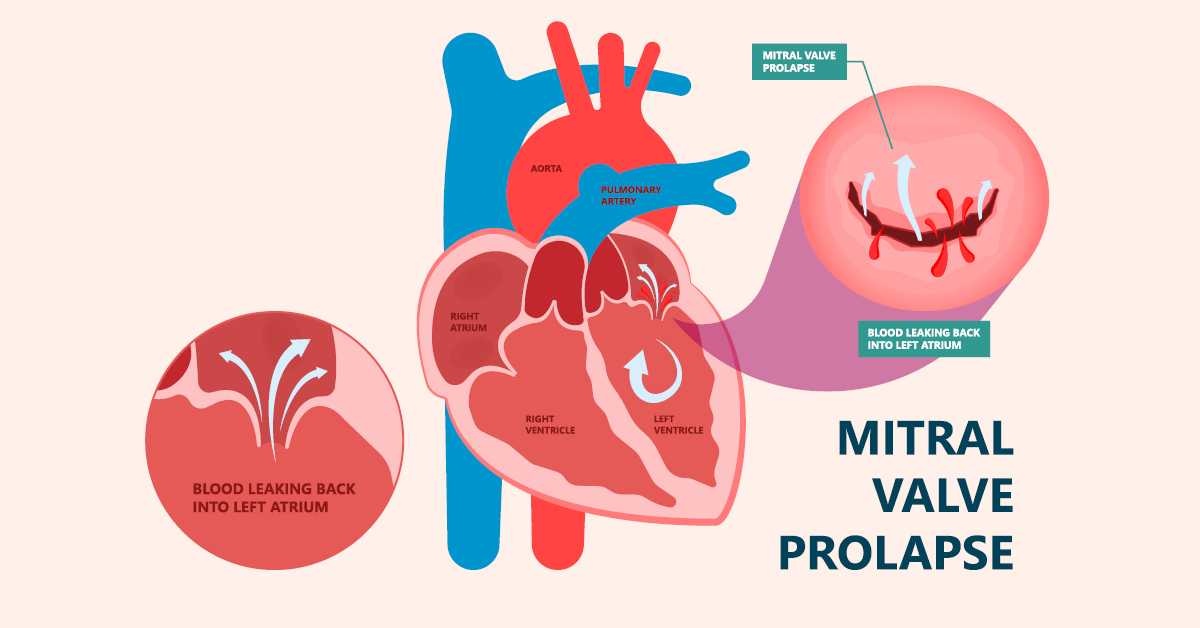
Mitral Valve Prolapse: Symptoms, Diagnosis, and Treatment
Mitral valve prolapse is a heart condition where the flaps of the mitral valve allow blood to flow backward in the heart. While many cases are mild and only require monitoring, some severe cases require treatment.
Read More
May is National High Blood Pressure Education Month
May is High Blood Pressure Education Month. High blood pressure, also called hypertension, has few symptoms but can lead to significant health risks.
Read More
Arrhythmogenic Right Ventricular Cardiomyopathy
Arrhythmogenic right ventricular cardiomyopathy is a genetic disease that causes the tissue of the heart muscle to die and be replaced with scar tissue.
Read More
How Marijuana Impacts Heart Health
Marijuana is one of the most commonly used drugs in the United States, but its impact on heart health isn’t entirely known. Studies have shown a potential increase in risk of heart attack, worsening of heart rhythm issues, and interactions with medications for heart disease.
Read More
The Role of Supplements in Heart Health
Supplements may play a role in lowering risk for heart disease as well as promoting a healthy lifestyle, but they there are still many unknowns regarding the role of supplements in heart health.
Read More
Medications for Heart Rhythm Disorders: Safety and Risks
Medications for heart rhythm disorders fall into two main categories: anticoagulants and antiarrhythmics. It’s important for patients to understand the safety and risks of these medications.
Read More
The Connection Between Mental Health and Heart Health
There is a strong connection between mental health and heart health, which is influenced by both behavioral and physiological connections. Taking proactive steps to manage mental health can have a positive influence on heart health.
Read More
Three Action Steps for National Nutrition Month
Eating a healthy diet is one of the best tools available to reduce the risk of heart disease. During National Nutrition Month, focus on adding fruits, vegetables, and whole grains to your plate to help reduce your risk.
Read More
New Treatment for Persistent AFib
The Thermocool Smarttouch Catheter offers a new and highly effective treatment for patients with persistent atrial fibrillation.
Read More
How Congenital Heart Disease Can Impact Adults
Adults with congenital heart disease, which is a structural defect of the heart present since birth, have an increased risk of arrhythmias, pulmonary hypertension, endocarditis, and congestive heart failure.
Read More
Heart Health Awareness in February
February is the month of love and all things related to the heart, including many heart health awareness days and weeks that help to bring attention to specific heart diseases and disorders.
Read More
COVID-19 and Heart Health
COVID-19 can impact the heart in many ways, including arrhythmias, inflammation, reduced blood flow to the heart, and even sudden cardiac death. A history of heart disease also increases the risk of severe complications.
Read More
A Better Approach to Nursing
A registered nurse is the caregiver patients see the most during a hospital stay, and the quality and competence of nursing staff directly affects the quality of care and the overall patient experience. At Oklahoma Heart Hospital, our approach to nursing is unique.
Read More
Benefits of a Physician-Owned Hospital
Physician-owned hospitals consistently score higher in quality and patient satisfaction surveys compared to other hospitals. Key benefits of physician-owned hospitals include patient-focused policies, high employee retention, and the ability to make quick decisions.
Read More